How Breathing Better Helped Me Train, Sleep, and Calm Down

I Ignored My Breathing for Years
Not deliberately. I just never thought about it. Breathing was automatic, background noise, something the body handled while I focused on everything else.
Then I started noticing something: after a hard training session, my recovery felt sluggish. At night, I'd lie in bed with my mind running laps. During a stressful workday, my shoulders would be up around my ears by 2 PM.
The common thread? I was breathing like a man being chased.
What Shallow Breathing Actually Does to You
Here's the truth: most men in their 30s are chronic chest breathers. Short, shallow, fast. It's the default setting when you're stressed, sedentary, or just moving through a packed day on autopilot.
That pattern keeps your nervous system in a low-grade alert state. Not full panic - just enough tension to blunt your focus, disrupt your sleep, and slow down how your body recovers from physical effort.
The physiology is straightforward. Shallow breathing raises your breathing rate, which shifts your blood CO2 balance, which keeps your sympathetic nervous system - the fight-or-flight side - quietly activated.
You don't feel wired. You just feel... off. Tight. Reactive. Like you're running on 80% all the time.
The Shift That Changed Things for Me
I started paying attention to my breath during three specific windows: before training, after training, and before sleep. That's it. No elaborate routines, no 45-minute meditation sessions.
Just deliberate breathing at moments that already existed in my day.
Here's what I noticed within about two weeks:
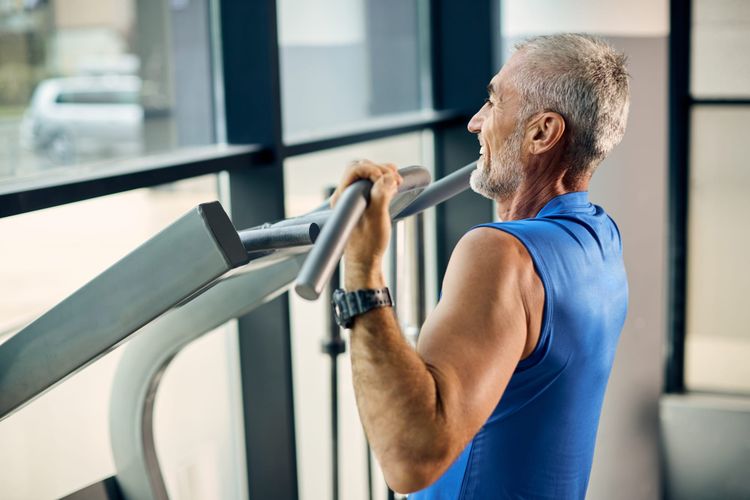
- Training felt sharper. Nasal breathing during warm-ups helped me settle into a real working state instead of just jumping in hot.
- Recovery between sets improved. Controlled exhales after heavy lifts brought my heart rate down faster and kept me from grinding through sessions on fumes.
- Sleep onset got easier. Slow breathing before bed became a reliable signal to my body that the day was actually done.
- Stress responses felt less automatic. When something irritating happened mid-afternoon, I had a half-second more space before reacting. That's more useful than it sounds.
The Breathing Patterns I Actually Use
Before and During Training: Nasal Breathing
This one gets dismissed as too simple. It isn't.
Breathing through your nose during warm-ups and lower-intensity work filters air, humidifies it, and - critically - produces nitric oxide, which helps dilate blood vessels and improve oxygen delivery to working muscles.
It also forces a slower, more controlled breathing rate. That keeps your nervous system from spiking before you even touch a weight.
During heavy lifts, I still breathe through my mouth when needed. But the warm-up and cool-down are nasal-only now. The difference in how settled I feel going into a working set is real.
After Hard Sets: The Extended Exhale
After a demanding set, most guys just stand there breathing hard. That's fine. But adding a deliberate extended exhale - making the out-breath longer than the in-breath - activates the parasympathetic nervous system faster.
A simple version: inhale for 4 counts, exhale for 6-8 counts. Do that for 60 seconds between sets. Your heart rate drops more efficiently, and you go into the next set more composed.
It sounds minor. The cumulative effect across a full session is not minor.
Before Sleep: Box Breathing or 4-7-8
I rotate between two patterns depending on how wound up I am.
Box breathing - 4 counts in, 4 hold, 4 out, 4 hold - works well on normal nights. It gives the mind something mechanical to follow, which quiets the background chatter.
On nights when the day was genuinely rough, I use the 4-7-8 pattern: inhale for 4, hold for 7, exhale for 8. The long hold and extended exhale push a stronger parasympathetic response. It's not magic - it's just physiology working in your favor.
Five minutes of either pattern before sleep has consistently cut the time it takes me to fall asleep. Not by a little.
During the Workday: The Reset Breath
This is the most underrated one. When stress spikes - a tense email, a bad call, a deadline shifting - I take one deliberate breath cycle before responding.
Inhale slowly through the nose for 5 counts. Exhale completely through the mouth for 7 counts. Once.
That single breath interrupts the automatic stress response long enough to make a more considered choice. Over a full workday, those small interruptions add up to noticeably less accumulated tension by evening.
Why This Works for Men in Their 30s Specifically
Your 30s tend to be the decade where stress loads peak - career pressure, family responsibilities, financial weight - while recovery capacity quietly starts to decline. That combination means the margin for running your nervous system hot all day gets thinner.
Breathing practices cost nothing. They require no equipment, no gym time, no supplements. They work by working with your biology, not against it.
The men who dismiss this as soft or overly simple are usually the same ones grinding through workouts that aren't producing results, lying awake at midnight with a racing mind, and wondering why they feel worn down despite doing everything right on paper.
The answer is often sitting right there in how they breathe.
Start with one window - before sleep, or between training sets. Build the habit there first. Once it becomes automatic, add another. Within a month, you'll have a tool that works anywhere, costs nothing, and makes every other health habit you're already doing land harder.
That's not a small thing. That's the kind of quiet leverage that actually changes how you feel day to day.
Don't miss out on future updates!
Join our newsletter to get the latest insights delivered straight to your inbox.