How I Learned That Emotional Distance Wasn't Strength

I Used to Think Going Silent Was a Superpower
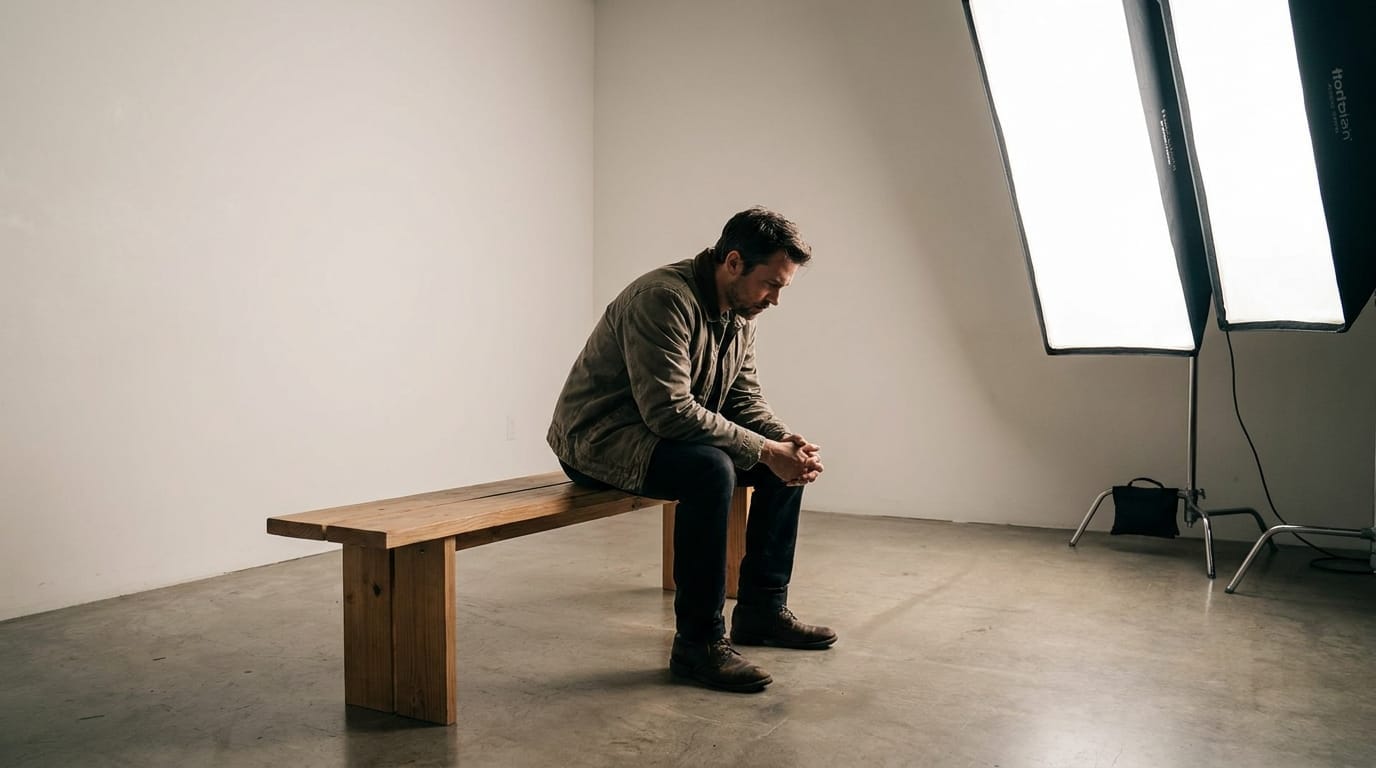
For most of my late twenties, I had a system. When things got tense - a disagreement with my partner, a frustrating moment with a friend, a work situation that made my chest tight - I would just... go quiet.
I called it keeping the peace. I told myself I was the calm one. The rational one. The guy who didn't overreact.
Here's the truth: I was just scared.
The Story I Told Myself
There's a version of masculinity that gets passed down without anyone ever saying it out loud. You absorb it from locker rooms, from watching how the men around you handled conflict, from every movie where the strong guy barely speaks.
The message is simple: emotions are weakness. Distance is control.
So I got very good at distance. I could shut a conversation down with a shrug. I could make someone feel like the problem was theirs for even bringing something up. I could go days without addressing something that was clearly sitting between me and another person.
And I genuinely believed that made me strong.
What Emotional Distance Actually Does
It doesn't protect you. It just delays the damage.
What I didn't see at the time was how much energy I was burning to maintain that wall. Suppressing things isn't neutral - it's active work. It shows up as tension in your body, irritability you can't explain, a low-grade restlessness that never quite goes away.
Research in stress physiology backs this up. Emotional suppression is linked to elevated cortisol, disrupted sleep, and even weakened immune response. Your body keeps score whether you want it to or not.
But beyond the biology - the real cost was in my relationships. People stopped bringing things to me. Not because everything was fine. Because they'd learned I wasn't a safe place to land.
That one hit hard when I finally saw it clearly.
The Conversation That Broke the Pattern
It wasn't dramatic. No big blowup, no rock-bottom moment.
A close friend - someone I'd known for years - told me he felt like he couldn't really talk to me. Not in a mean way. Just honest. He said I always seemed like I was managing conversations rather than actually being in them.
My first instinct was to get defensive. Classic deflection.
But something made me sit with it instead of firing back. And the longer I sat with it, the more I recognized it was true.
I wasn't present in hard conversations. I was performing composure while quietly checking out.
What I Started Doing Differently
I'm not going to pretend I had some overnight transformation. That's not how this works.
But I did start making small, deliberate shifts. Here's what actually moved the needle for me:
- Naming the discomfort out loud. Instead of going quiet when something felt off, I started saying it - even just 'I'm not sure how I feel about this yet, but I don't want to shut down.' That tiny admission changed the whole energy of a conversation.
- Staying in the room. Physically and mentally. No phone. No redirecting. Just being present even when it was uncomfortable.
- Dropping the performance of calm. Real calm is grounded. Performed calm is just avoidance with better posture. I started letting myself actually feel the discomfort instead of managing how I looked feeling it.
- Asking instead of assuming. A lot of my distance came from assuming I already knew how things would go. Starting with a genuine question - 'What's actually going on for you?' - opened up conversations I would have previously shut down before they started.
- Accepting that discomfort isn't danger. This was the big one. I had to rewire the part of my brain that treated emotional tension like a threat. It's not. It's just information.

Real Strength Looks Different Than I Thought
Here's what nobody told me: it takes far more strength to stay open than to shut down.
Closing off is easy. It's automatic. Your nervous system is wired to protect you from perceived threat, and emotional exposure feels like threat when you've spent years treating it that way.
Staying present - being honest about what you're feeling, holding space for someone else's experience, sitting in the discomfort of a hard conversation without bailing - that's the harder thing. That's the thing that actually builds something.
It builds trust. It builds connection. And honestly, it builds a version of yourself you can actually respect.
This Is Still a Work in Progress
I still catch myself going quiet sometimes. Old habits don't disappear - they just lose their grip gradually.
But I notice it faster now. And more often than not, I choose differently.
If any of this sounds familiar - if you've been wearing emotional distance like armor - I just want to say: I get it. And it's worth looking at. Not because someone told you to be more sensitive. But because the cost of staying closed is higher than you think.
The conversations you're avoiding? They're not going anywhere. They're just waiting.
And the version of you that can actually have them? That guy is a lot stronger than the one who keeps walking away.