How I Made Healthy Eating Less Expensive and Less Complicated
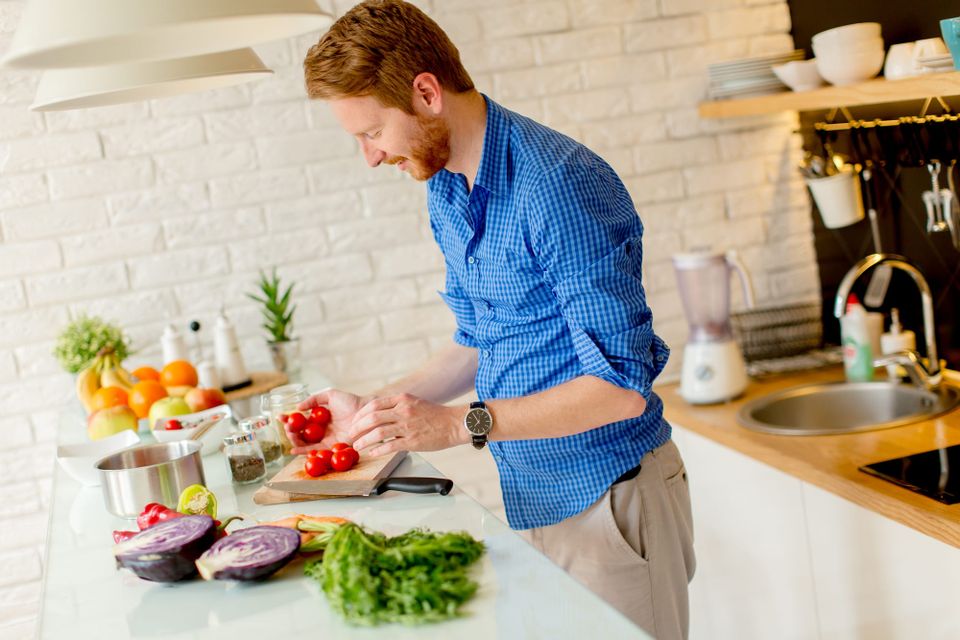
I'll be straight with you - there was a point in my early 30s where I genuinely believed eating healthy was a rich person's game. Organic this, grass-fed that, $14 smoothies, fancy meal kits showing up at my door twice a week. I was either spending a fortune trying to eat well, or I was eating garbage because I told myself I couldn't afford the alternative. Sound familiar?
Turns out, I had it completely backwards. And once I figured that out, everything changed.
The Lie We've All Been Sold
The wellness industry wants you to think healthy eating means buying expensive supplements, exotic superfoods, and pre-packaged "clean" meals. It doesn't. That's marketing, not nutrition.
Here's the truth: the most nutritious foods on the planet are also some of the cheapest. Eggs. Oats. Canned beans. Frozen vegetables. Brown rice. Bananas. Sardines. These aren't glamorous, but they're the backbone of a genuinely solid diet - and they cost almost nothing compared to what most guys are spending on takeout or "healthy" convenience food.
Once I stopped chasing the shiny stuff and went back to basics, my grocery bill dropped and my energy went up. That's not a coincidence.
What Actually Changed for Me
I didn't overhaul my entire life overnight. I made small, specific shifts that compounded over time. Here's what actually moved the needle:
- I stopped buying pre-cut, pre-packaged everything. A bag of pre-washed, pre-chopped broccoli costs nearly three times what a whole head costs. Spend two minutes with a knife. Done.
- I built meals around protein and fiber, not around a recipe. Most nights, I'm not following a recipe. I'm picking a protein (eggs, canned tuna, chicken thighs, lentils), a carb (rice, oats, potatoes), and a vegetable. That's it. No cookbook required.
- I embraced frozen vegetables without shame. Frozen spinach, peas, broccoli, and mixed veggies are just as nutritious as fresh - sometimes more so, because they're frozen at peak ripeness. And they don't go bad on Tuesday when you forgot to cook them.
- I started batch cooking on Sundays. Not some elaborate meal prep routine with 12 containers and color-coded labels. Just cooking a big pot of rice, boiling some eggs, and grilling a few chicken thighs. That's maybe 45 minutes of work that sets me up for most of the week.
- I cut back on "healthy" snack bars. Those things are basically candy with a PR team. A handful of peanuts or a banana does the same job for a fraction of the cost.
- I learned to love canned and dried legumes. Black beans, chickpeas, lentils - these are protein-packed, fiber-rich, and absurdly cheap. A can of black beans costs under a dollar and can anchor an entire meal.
The Mental Shift That Made It Stick
Here's something nobody really talks about - the complication of healthy eating is often self-imposed.
We scroll through Instagram and see these immaculate meal prep spreads, or we watch YouTube videos of guys making 47-ingredient power bowls, and we think that's what healthy eating looks like. It's not. That's content creation. That's not how real people eat sustainably.
I gave myself permission to be boring. Same breakfast most mornings (oats with a banana and some peanut butter). A simple lunch. A straightforward dinner. Boring? Sure. But it's consistent, it's cheap, and it works. Consistency beats perfection every single time.
Let's be honest - you're not going to cook a different elaborate healthy meal every single night after a long day at work. So stop setting yourself up for that failure. Build a small rotation of five or six meals you actually like, and just cycle through them.
A Few Practical Numbers to Make This Real
When I actually tracked my spending, the difference was eye-opening. My weekly grocery spend used to hover around $120-$140 when I was buying into the "healthy = expensive" mindset. After simplifying, I consistently spend $65-$80 per week - and I eat better now than I did before.
The biggest savings came from cutting:
- Fancy protein bars and shakes (replaced with eggs and whole foods)
- Pre-packaged salad kits (replaced with a head of romaine and whatever I had on hand)
- Overpriced "health food" store staples (replaced with the exact same ingredients from a regular grocery store)
- Frequent takeout that I was justifying as "I had no time to cook" (replaced with having batch-cooked basics ready to go)
The One Rule I Live By Now
If I had to hand you one principle to take away from all of this, it's this: eat whole foods, cook them simply, and repeat.
You don't need a nutrition degree. You don't need a fancy kitchen. You don't need to spend a fortune. You just need to stop overcomplicating it and start showing up consistently - even when the meal is plain, even when it's the same thing you had three days ago.
Your 30s are actually a great time to lock this in. You're old enough to stop making excuses, and young enough that these habits will pay off for decades. That's not a small thing.
Start simple, stay consistent, and let the results do the convincing - because once you feel the difference, you won't want to go back to the old way anyway.
Don't miss out on future updates!
Join our newsletter to get the latest insights delivered straight to your inbox.