How I Stopped Treating Coffee Like a Meal Replacement

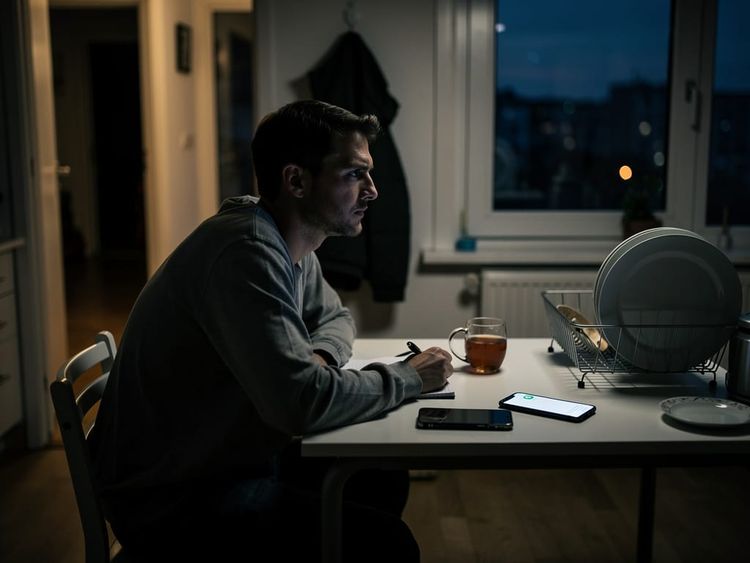
There was a time when my entire morning routine looked like this:
Wake up.
Grab coffee.
Start working immediately.
No breakfast. No water. No pause.
Just caffeine and momentum.
And honestly, for a while, I thought it was working.
I felt productive. Alert. Fast-moving.
But underneath that temporary boost, my body was struggling more than I realized.
Coffee Became a Shortcut for Everything
At first, coffee was just something I enjoyed.
But over time, it quietly became:
- breakfast
- energy support
- stress management
- a way to push through exhaustion
Instead of asking:
“Why am I so tired?”
I just drank more coffee.
And I know a lot of men do the same thing.
The Problem Wasn’t Coffee Itself
Let me be clear:
I still drink coffee.
I genuinely enjoy it.
The issue wasn’t coffee — it was how I was using it.
I was using caffeine to:
- cover up poor sleep
- ignore stress
- compensate for skipped meals
- force energy I hadn’t actually earned
And eventually, my body started pushing back.
The Signs I Ignored
Looking back, the signs were obvious:
- energy crashes by late morning
- irritability when I hadn’t eaten
- shaky, anxious feeling after too much caffeine
- difficulty focusing without another cup
I also noticed something strange:
I was exhausted… but wired at the same time.
That combination is brutal.
And for a long time, I normalized it.
Why I Kept Skipping Breakfast
Honestly?
Convenience.
Mornings felt rushed.
Coffee was fast.
Eating felt like something I’d “deal with later.”
There was also this mindset that skipping breakfast somehow made me more disciplined or productive.
But in reality, I was just under-fueling myself early in the day and paying for it later.
What Changed My Perspective
The turning point came when I started paying attention to my energy patterns.
I noticed:
- my focus was unstable
- my mood depended on caffeine
- I crashed hard in the afternoons
- workouts felt weaker when I barely ate early in the day
And the more I learned about stress, cortisol, blood sugar, and recovery, the more everything started making sense.
My body wasn’t lacking coffee.
It was lacking actual support.
The Small Changes That Helped
I didn’t completely overhaul my mornings overnight.
I just started making smarter adjustments.
1. I Started Drinking Water First
This sounds almost too simple, but it helped immediately.
Instead of reaching for coffee the second I woke up, I started with water.
It helped me:
- feel more awake naturally
- hydrate after sleep
- slow down for a minute before jumping into the day
Coffee still came after - just not immediately.
2. I Started Eating Something
At first, I kept it simple:
- eggs and toast
- oatmeal
- yogurt with fruit
- a protein smoothie
Nothing complicated.
The goal wasn’t a perfect breakfast.
It was giving my body actual fuel instead of just stimulation.
And honestly, the difference in my energy was noticeable within days.
3. I Reduced “Emergency Coffee”
You know the kind:
the cup you drink because your energy completely crashed.
Once I started:
- sleeping better
- eating earlier
- managing stress more intentionally
…I stopped needing caffeine just to survive the day.
Now coffee feels like a choice again - not a dependency.
4. I Paid Attention to Sleep Instead of Just Stimulation
This was a major realization for me.
Caffeine can temporarily increase alertness.
But it can’t replace recovery.
For years, I treated coffee like a substitute for:
- rest
- nutrition
- balance
And it never truly worked.
Once I improved my sleep habits, my need for constant caffeine dropped naturally.
What My Mornings Look Like Now
These days, my mornings are much simpler and steadier.
Usually:
- water first
- a simple breakfast
- coffee after I’ve eaten
- some movement or quiet time before diving into work
And the biggest difference?
My energy feels more stable.
Not artificially high for two hours and then completely drained afterward.
Just… steadier.
What I Learned About Energy
One thing this experience taught me is:
real energy and artificial stimulation are not the same thing.
Coffee can help.
But it can’t build health.
Only habits can do that:
- sleep
- nutrition
- stress management
- movement
- recovery
Once I understood that, everything changed.
Final Thoughts
I still love coffee.
But now, it’s part of my routine - not the thing holding my entire day together.
And honestly, I feel much better because of it.
If you’re constantly relying on caffeine just to function, it might be worth asking:
- Are you sleeping enough?
- Are you eating properly?
- Are you recovering at all?
Because sometimes the issue isn’t that you need more coffee.
Sometimes your body just needs more support.
Coffee can wake you up temporarily. But real energy comes from taking care of yourself consistently - not just stimulating yourself harder.
Don't miss out on future updates!
Join our newsletter to get the latest insights delivered straight to your inbox.