The Simple Grocery List That Changed How I Eat During the Week
For a long time, my eating habits during the week were less about nutrition and more about survival.
I’d get busy, forget to plan, and then suddenly it was 7 PM and I had no real food ready.
That usually meant one of three things:
- ordering takeout
- eating random snacks
- making something quick but not very satisfying
And every time, I’d tell myself the same thing:
“Next week I’ll be more prepared.”
But for a while, nothing changed.
The problem wasn’t that I didn’t want to eat better. I did.
The problem was that I kept making healthy eating too complicated.
I Used to Think I Needed a Perfect Meal Plan
At one point, I tried planning every meal in detail.
Breakfast, lunch, dinner, snacks - all mapped out perfectly.
It looked good on paper.
But real life didn’t follow the plan.
Some days I wasn’t in the mood for what I had planned.
Some days work ran late.
Some days I just didn’t have the energy to cook something complicated.
And once the plan broke, I usually fell back into convenience eating.
That’s when I realized I didn’t need a perfect meal plan.
I needed a reliable grocery list.
The Shift: Staples Over Recipes
This changed everything for me.
Instead of shopping for specific recipes, I started shopping for simple staples I could mix and match during the week.
That way, I wasn’t locked into one meal.
I could build quick meals depending on:
- how hungry I was
- how much time I had
- what I felt like eating
This made healthy eating feel flexible instead of restrictive.
And for me, flexibility is what made it sustainable.
The Core of My Grocery List
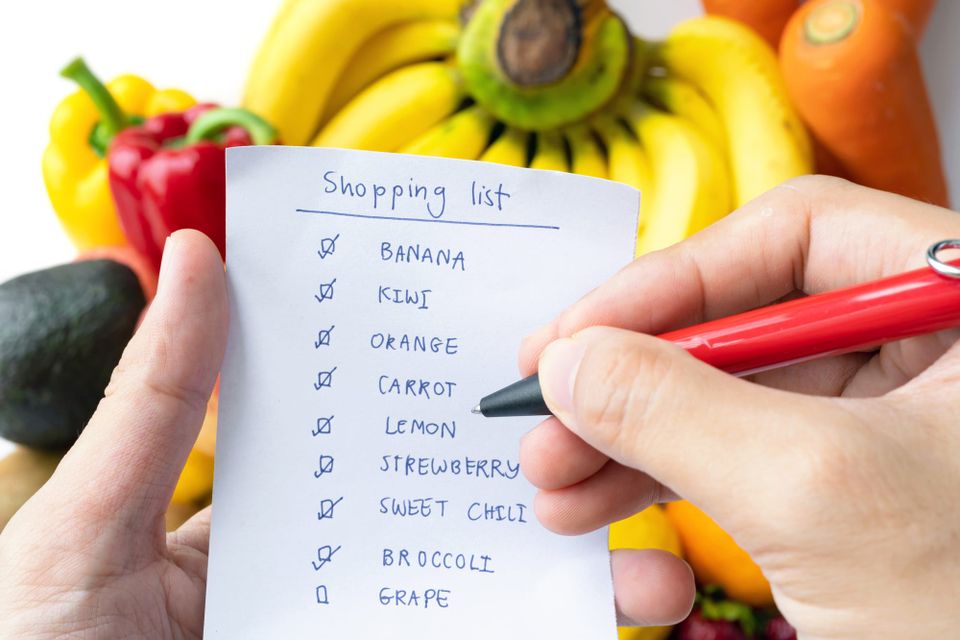
My weekly grocery list is not fancy.
It’s basic on purpose.
I usually build it around five categories:
- protein
- carbohydrates
- vegetables
- healthy fats
- easy snacks
That’s it.
If I have those things in the house, I can usually put together a decent meal without overthinking it.
1. Protein: The Foundation
Protein is the first thing I think about when shopping.
Not because I’m trying to be extreme or live like a bodybuilder, but because protein keeps me full, supports training, and helps my energy stay more stable.
My usual protein staples include:
- eggs
- chicken
- turkey
- Greek yogurt
- tuna
- salmon or other fish
- beans or lentils
Having protein ready makes a huge difference.
If I have chicken cooked, eggs in the fridge, or yogurt ready to go, I’m much less likely to rely on random snacks or takeout.
2. Carbs That Actually Support My Energy
I used to treat carbs like something I had to control or avoid.
Now I see them differently.
The right carbs help me train better, focus better, and avoid that drained, irritable feeling that comes from under-eating.
My go-to carbs are simple:
- rice
- potatoes
- oats
- whole grain bread
- wraps
- pasta
- fruit
Nothing complicated.
Just foods that give me energy and actually fit into real meals.
3. Vegetables I’ll Actually Eat
This is important.
I stopped buying vegetables just because they sounded healthy.
Now I buy vegetables I know I’ll actually use.
For me, that usually means:
- spinach
- broccoli
- peppers
- onions
- tomatoes
- carrots
- mixed salad greens
Sometimes fresh, sometimes frozen.
Frozen vegetables are underrated. They’re easy, they last longer, and they remove one more excuse when I’m tired.
A quick stir-fry or rice bowl becomes much easier when vegetables are already available.
4. Healthy Fats That Make Meals More Satisfying
For a while, I didn’t pay much attention to fats.
But meals without enough healthy fat often left me hungry again too soon.
Now I usually keep things like:
- olive oil
- avocado
- nuts
- peanut butter
- seeds
- cheese in moderate amounts
Healthy fats make simple meals more satisfying.
And satisfaction matters.
Because if a meal doesn’t satisfy you, you’re probably going to keep searching for something else afterward.
5. Easy Snacks That Don’t Derail Me
Snacking used to be where my eating habits fell apart.
Not because snacks are bad, but because I didn’t have better options ready.
Now I keep simple snacks around:
- Greek yogurt
- fruit
- nuts
- protein bars
- cottage cheese
- hummus and carrots
These help a lot during busy days.
Instead of waiting until I’m starving, I can grab something that actually supports my energy.
My Simple Meal Formula
Most of my weekday meals follow a basic formula:
protein + carb + vegetable + healthy fat
For example:
- chicken, rice, broccoli, olive oil
- eggs, toast, avocado, spinach
- tuna wrap with salad
- Greek yogurt, oats, fruit, peanut butter
- salmon, potatoes, vegetables
It’s not exciting every time.
But it works.
And it keeps me from needing to make a hundred decisions every day.
Why This Changed My Weekdays
Once I started shopping this way, eating well became much easier.
I stopped asking:
“What should I cook?”
And started thinking:
“What can I build from what I already have?”
That small difference removed a lot of stress.
It also helped me:
- eat more consistently
- reduce takeout
- avoid skipping meals
- support my workouts
- feel better during the day
The biggest win was that healthy eating stopped feeling like a project.
It became normal.
I Still Keep It Flexible
I don’t eat perfectly.
I still order food sometimes.
I still have busy days.
I still eat meals that aren’t ideal.
But now I have a system to come back to.
That matters more than perfection.
Because the goal isn’t to control every meal.
The goal is to make better choices easier most of the time.
Final Thoughts
If eating better feels overwhelming, don’t start with a complicated meal plan.
Start with your grocery list.
Build it around simple staples:
- protein
- carbs
- vegetables
- healthy fats
- easy snacks
When your kitchen supports your goals, healthy eating becomes much easier.
That was the biggest lesson for me.
I didn’t need more discipline.
I needed fewer obstacles.
The right grocery list doesn’t make you perfect. It just makes the healthier choice easier when life gets busy - and that’s what actually changes your week.
Don't miss out on future updates!
Join our newsletter to get the latest insights delivered straight to your inbox.