Why I Started Taking Mobility Seriously in My 30s
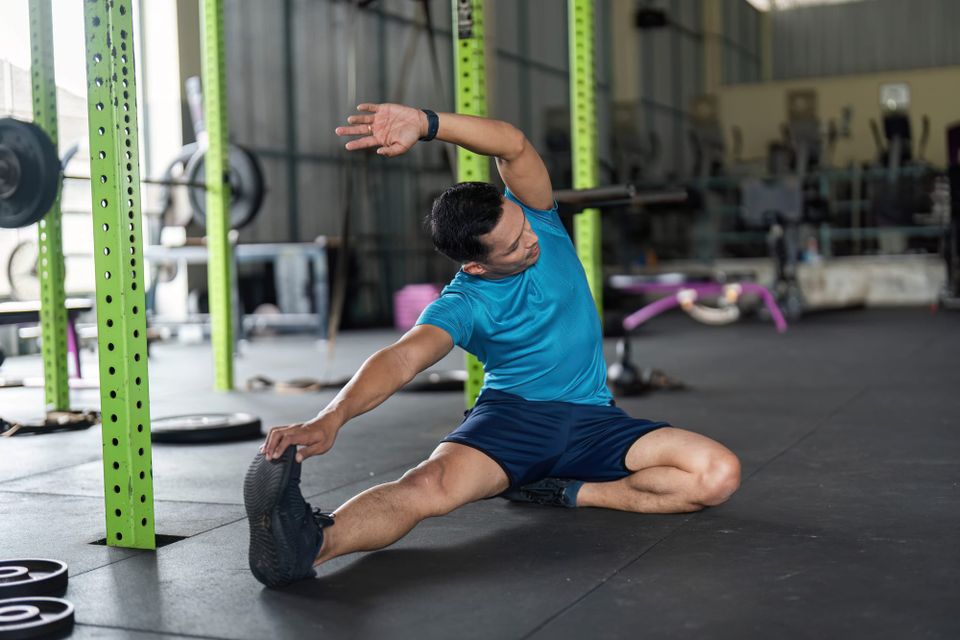
There was a morning - not long after my 33rd birthday - when I bent down to pick up a gym bag and felt something in my lower back just lock up. Not a sharp injury. Not a pop. Just a slow, grinding resistance, like a door hinge that hadn't been oiled in years. I stood there for a second, genuinely confused. I wasn't doing anything heroic. I was picking up a bag.
That was the moment I realized something had quietly changed in my body, and I had been completely ignoring it.
The Slow Creep Nobody Warns You About
Here's the thing nobody really tells you when you're in your late 20s and early 30s: the decline in movement quality doesn't announce itself. It doesn't show up as pain at first. It shows up as stiffness after sitting too long, as a weird tightness in your hips when you try to squat down, as shoulders that feel like they're wrapped in shrink wrap every morning.
I had been lifting weights consistently for years. My strength was fine. My cardio was decent. But I had completely neglected the quality of how my body actually moved through space. And that gap was starting to show up in ways I couldn't ignore anymore.
Research from the British Journal of Sports Medicine has consistently shown that poor mobility and restricted range of motion are among the leading contributors to musculoskeletal injuries in adults - not just in athletes, but in everyday people doing everyday things. Picking up a bag. Reaching for something on a high shelf. Getting out of a car after a long drive.
What Mobility Actually Means - And Why It's Not Just Stretching
I used to think mobility and flexibility were the same thing. They're not, and that distinction matters more than most people realize.
Flexibility is passive - it's how far a muscle can be stretched when an external force is applied. Mobility is active - it's your ability to move a joint through its full range of motion under your own muscular control. One is about tissue length. The other is about functional strength within that range.
Think of it this way: a rubber band is flexible. But a rubber band can't do a deep squat with control, absorb force from a landing, or stabilize a shoulder under load. That's the difference. And that's why stretching alone - while helpful - isn't the full answer.
When I finally started working on actual mobility, the shift was noticeable within weeks. Hip circles, deep squat holds, thoracic spine rotations, shoulder CARs (controlled articular rotations) - these weren't glamorous. They didn't feel like a workout at first. But they started giving me back movement I didn't even realize I had lost.
The Real Cost of Ignoring It
Here's the truth: most men in their 30s are walking around with significant movement restrictions and they've just adapted around them. They've unconsciously changed how they sit, how they stand, how they lift - all to compensate for joints that aren't moving the way they should.
That compensation pattern is where injuries are born. Your body is incredibly smart. It will find a way to complete a movement even when the primary system is compromised. But it does so by loading secondary structures - tendons, ligaments, smaller stabilizing muscles - that weren't designed to carry that kind of stress long-term.
I saw this play out in my own training. My right hip had been restricted for so long that my lower back was doing extra work on every single squat and deadlift. No wonder it locked up reaching for a bag. It had been quietly overloaded for months.
How I Built It Into My Life Without Overhauling Everything
I'm not going to pretend I added a 45-minute mobility session to my mornings. I didn't. That's not realistic for most people, and it certainly wasn't for me.
What I did instead was stack mobility work onto what I was already doing. Five minutes of hip and thoracic work before every lifting session. A ten-minute floor routine on rest days while watching something on my phone. Deep squat holds while waiting for coffee to brew. World's greatest stretch as a morning wake-up before I even looked at my phone.
Small. Consistent. Attached to existing habits. That's the formula that actually stuck.
Within about six weeks, the difference in how I moved was genuinely surprising. My squat depth improved. The chronic tightness in my upper back - which I had just accepted as normal - started to ease. I felt more athletic in daily life, not just in the gym. Getting up from the floor, carrying groceries, playing with my nephew - all of it felt easier and more natural.
Why Your 30s Are Actually the Perfect Time to Start
Here's what I want you to take from this: your 30s aren't too late. They're actually the ideal window. You're old enough to feel the early warning signs, but young enough that the body responds quickly and adapts well. The tissue is still responsive. The nervous system is still highly trainable.
The men who feel genuinely strong, capable, and pain-free at 50 and 60 aren't the ones who lifted the heaviest weights in their 30s. They're the ones who invested in how their body moved, not just how much it could move.
That morning with the gym bag was a gift, honestly. It was a small, low-stakes signal that arrived before something serious did. I'm glad I listened to it.
Start with ten minutes. Pick two or three movements - a deep squat hold, a hip 90/90 stretch, a thoracic rotation. Do them every day for two weeks. You don't need a program overhaul. You just need to start treating your joints like they deserve the same attention as your muscles. Because they do - and your future self will feel the difference in ways that go far beyond the gym.
Don't miss out on future updates!
Join our newsletter to get the latest insights delivered straight to your inbox.