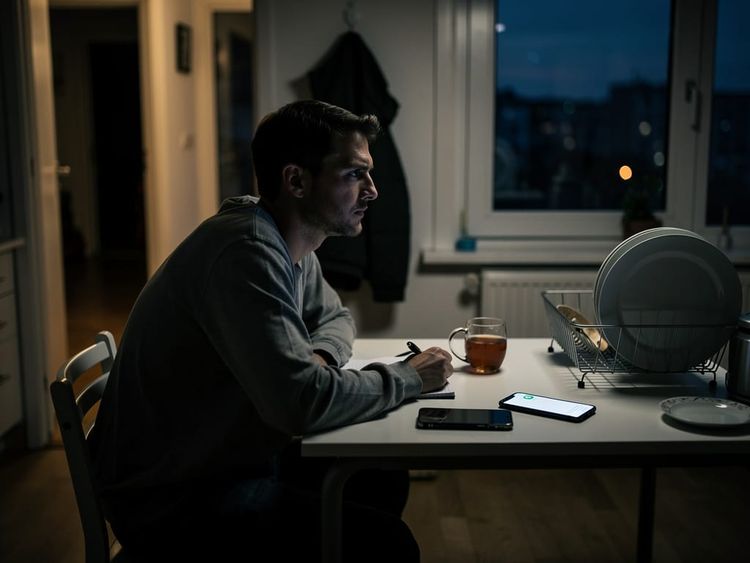
Why I Stopped Treating Every Headache Like a Coffee Problem

For a long time, my go-to move whenever a headache hit was simple: brew another cup of coffee and push through. I figured I was probably just under-caffeinated, maybe a little tired, and that a strong dark roast would sort me out. Sometimes it worked. A lot of the time, it didn't - and I'd end up lying on the couch at 9 PM wondering why my head felt like it was being squeezed in a vice.
Here's the truth: I was treating a symptom without ever asking what was actually causing it. That's a pretty common trap, especially for guys who tend to just power through discomfort rather than slow down and pay attention. Headaches aren't random. They're usually your body waving a flag and saying, hey, something's off - and once I started listening, things got a whole lot better.
The shift happened gradually. I started noticing patterns. Headaches that showed up mid-afternoon almost always followed a morning where I'd skipped breakfast or barely touched my water bottle. The ones that crept in around 7 PM usually came after five or six straight hours staring at a screen. And the tight, pressure-y ones that sat right at the base of my skull? Almost always tied to stress I'd been carrying in my shoulders and jaw without realizing it.
Once I stopped defaulting to caffeine as the fix-all and started actually tracking what was going on, I could respond smarter. Not perfectly - I still get headaches sometimes - but I'm no longer just throwing coffee at a problem that might actually need water, food, movement, or a five-minute break from my laptop.
- Caffeine isn't always the answer - sometimes it makes things worse, especially if you're already dehydrated.
- Hydration is the most underrated headache trigger - even mild dehydration can bring one on fast.
- Screen strain is real - prolonged focus without breaks causes eye and neck tension that radiates into headaches.
- Skipped meals matter more than you think - blood sugar dips are a surprisingly common headache trigger in men.
- Tension lives in the body - jaw clenching, shoulder tightness, and poor posture all feed into recurring headaches.
- Small, consistent habits beat reactive fixes - responding thoughtfully is more effective than just reaching for a pill or a mug.
Frequently Asked Questions
Can dehydration really cause headaches that quickly?
Absolutely, and faster than most people expect. Your brain is surrounded by fluid, and when your overall hydration drops even slightly, that fluid pressure shifts - which can trigger a dull, persistent ache, usually across the forehead or behind the eyes. You don't have to be visibly parched or sweating buckets for this to happen.
I started keeping a 32 oz water bottle on my desk and making it a non-negotiable to finish it before noon. It sounds almost too simple, but the mid-afternoon headaches I used to get pretty regularly dropped off significantly within a couple of weeks. If you're someone who drinks mostly coffee and forgets water exists, this is the first thing worth addressing.
How does skipping meals trigger a headache?
When you skip a meal, your blood sugar drops. Your brain runs almost entirely on glucose, so when that supply dips, it sends out distress signals - and one of the most common ones is a headache. For a lot of guys, this hits hardest in the late morning if they've skipped breakfast, or mid-afternoon if lunch got pushed back or skipped entirely while grinding through work.
The fix isn't complicated. It's not about eating six perfectly timed meals or tracking macros obsessively. It's just about not letting yourself go too long without fuel. A handful of nuts, a piece of fruit, even a proper breakfast instead of just coffee - these small things genuinely move the needle on how your head feels by 3 PM.
What's the deal with screen strain and headaches?
When you stare at a screen for hours, a few things happen at once. Your eyes work harder to maintain focus, you blink less (which dries them out), and without realizing it, you tend to tense your neck and shoulders forward. That combination of eye fatigue and postural tension creates a very specific kind of headache - usually a tight band across the forehead or pressure behind the eyes.
The 20-20-20 rule is genuinely useful here: every 20 minutes, look at something 20 feet away for 20 seconds. It sounds fiddly at first, but it breaks the cycle of sustained eye strain before it builds into a full headache. I also made a habit of checking my posture every time I refill my water - two birds, one stone.
How do I figure out what's actually causing my headaches?
The most practical thing you can do is keep a simple log for two or three weeks. You don't need an app or a spreadsheet - even a few notes in your phone work fine. Jot down when the headache hit, what you'd eaten, how much water you'd had, how long you'd been at a screen, and how stressed or tense you were feeling. Patterns show up faster than you'd think.
Once you start seeing those patterns, you can respond to the actual cause instead of just masking the symptom. That's the whole shift - moving from reactive to a little more intentional. It doesn't mean headaches disappear forever, but it does mean you're not just white-knuckling through your week wondering why your head keeps hurting.
Don't miss out on future updates!
Join our newsletter to get the latest insights delivered straight to your inbox.