Why Self-Care Isn’t Selfish: How Taking Time for Yourself Enhances Your Health
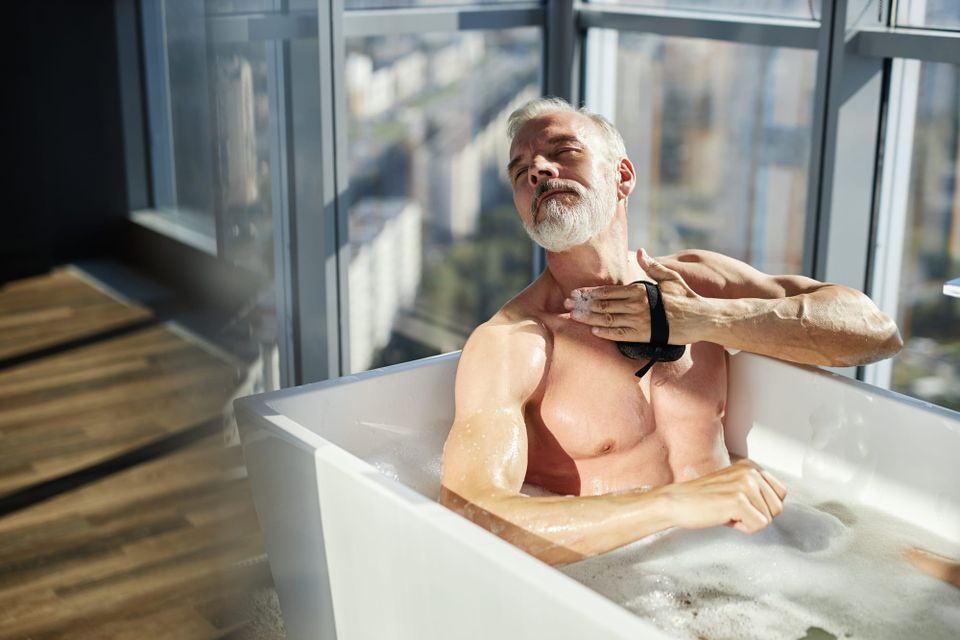
For a long time, I used to think self-care was… a bit of a luxury.
Something you do when everything else is done.
Something extra. Optional. Maybe even a little indulgent.
I’d tell myself: “I’ll rest later.”
“I don’t have time for that right now.”
“There are more important things to handle.”
But the truth is - “later” never came.
And over time, I started to feel it. Not in a dramatic way, but in small, constant signals:
- low energy
- irritability
- lack of motivation
- that quiet feeling of being mentally drained
That’s when it clicked for me:
Taking care of yourself isn’t selfish - it’s necessary.
The Turning Point: Running on Empty
I remember a period in my early 30s where everything looked “fine” on the outside.
Work was moving forward. Life was stable.
But internally, I felt off.
I was constantly tired, even after a full night’s sleep.
I had less patience. Less focus. Less enjoyment in things I used to like.
And the strange part? I wasn’t doing anything wrong.
I was just… not taking care of myself beyond the basics.
No real downtime.
No space to reset.
No moments that were just for me.
That’s when I started experimenting with small acts of self-care - not as a reward, but as part of my routine.
What Self-Care Actually Means (At Least for Me)
I used to think self-care had to look a certain way:
- long spa days
- expensive treatments
- perfectly calm environments
But that’s not real life - at least not mine.
For me, self-care became much simpler:
- stepping away from work without guilt
- going for a walk without a goal
- reading instead of scrolling
- sitting in silence for a few minutes
It’s not about doing something impressive.
It’s about doing something intentional.
The Small Things That Made a Big Difference
Here are a few practices that genuinely changed how I feel day-to-day:
1. Taking Breaks Without Feeling Guilty
This one took time.
I used to power through everything - thinking breaks would slow me down.
But the opposite happened.
Now, I take short breaks during the day:
- step outside
- stretch
- disconnect for a few minutes
And I come back sharper, not slower.
2. Evening Wind-Down Time
Instead of going straight from work mode to sleep, I started creating space in between.
Nothing complicated:
- dim lights
- no intense input
- sometimes a book, sometimes just quiet
It helps my mind transition, instead of crashing.
3. Movement Without Pressure
Not every workout needs to be intense.
Some days, self-care is just:
- a slow walk
- light stretching
- moving without tracking anything
It keeps me connected to my body without adding pressure.
4. Doing Something Just Because I Enjoy It
This one sounds obvious, but it’s easy to forget.
No productivity. No outcome. No reason other than:
I enjoy it.
For me, that’s sometimes:
- music
- reading
- or just sitting with a coffee without distractions
It reminds me that not everything needs to be optimized.
The Real Benefits (That I Didn’t Expect)
Once I started taking self-care seriously, a lot changed - not just how I felt, but how I functioned.
More energy
I wasn’t constantly drained anymore.
Better focus
Taking breaks actually made me more productive.
Improved mood
Less irritability, more patience.
Stronger boundaries
I became more aware of when I needed to step back.
And maybe most importantly:
I stopped feeling like I was always “catching up.”
Why Self-Care Feels “Selfish” (But Isn’t)
I think a lot of us were conditioned to believe:
- productivity = value
- rest = laziness
So when we take time for ourselves, it feels… wrong.
But here’s what I’ve learned:
When you don’t take care of yourself:
- your energy drops
- your focus fades
- your health suffers
And eventually, everything else does too.
Self-care isn’t taking away from your responsibilities -
it’s what allows you to show up better for them.
How to Start (Without Overcomplicating It)
If self-care feels like something “extra,” start small.
You don’t need a full routine. Just a few intentional moments:
- Take 5 minutes of quiet in the morning
- Go for a short walk without your phone
- Pause between tasks instead of rushing
- Do one thing each day that’s just for you
That’s enough to begin.
Final Thoughts: You Can’t Pour From an Empty Cup
I know that phrase gets overused - but it’s true.
You can’t keep giving, producing, and pushing forward if you’re running on empty.
Self-care isn’t about escaping your life.
It’s about supporting it.
For me, it became the difference between:
- just getting through the day
and - actually feeling present in it
Taking care of yourself isn’t selfish. It’s the foundation that everything else is built on