How I Built a Healthier Relationship With Alcohol
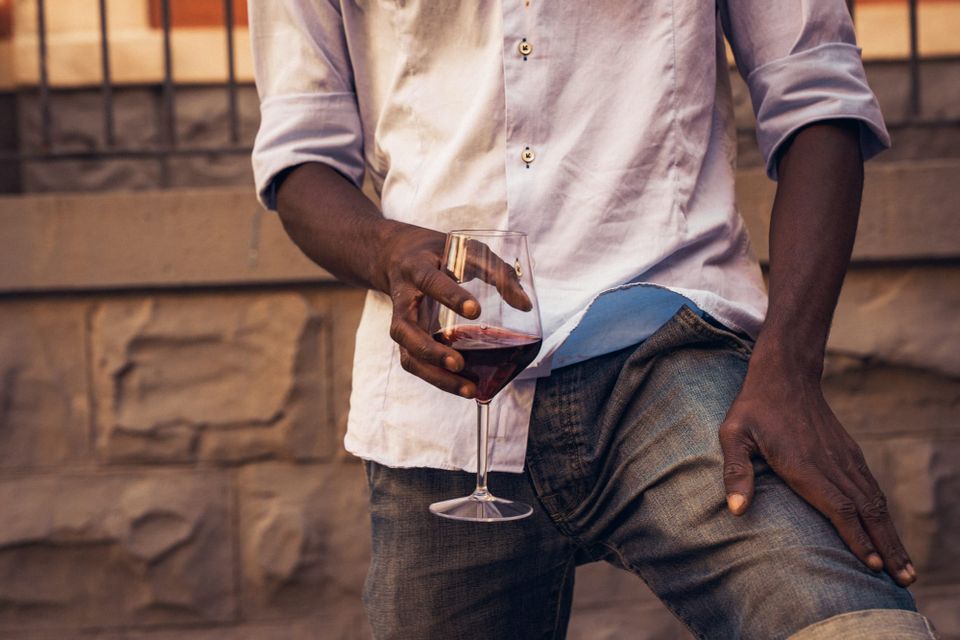
For a long time, I didn’t think much about alcohol.
It was just part of life.
A drink after work.
A few beers with friends.
Something at dinner.
Something to take the edge off after a long week.
Nothing dramatic. Nothing that felt like a problem.
But in my 30s, I started noticing something I couldn’t ignore anymore:
Alcohol affected me differently than it used to.
Not just in the obvious ways. Not just hangovers.
It affected my sleep, my energy, my workouts, my mood, and even how motivated I felt the next day.
And once I saw that clearly, I knew I needed to rethink my relationship with it.
I Didn’t Quit Overnight
I want to be clear about that.
This wasn’t a dramatic “I’m never drinking again” moment.
For me, it was more about awareness.
I started asking better questions:
- Why am I drinking tonight?
- Do I actually want this, or is it just habit?
- How will I feel tomorrow?
- Is this helping me relax, or just helping me avoid stress?
Those questions changed things.
Because once you start paying attention, automatic habits become harder to ignore.
The Sleep Problem Was the First Big Sign
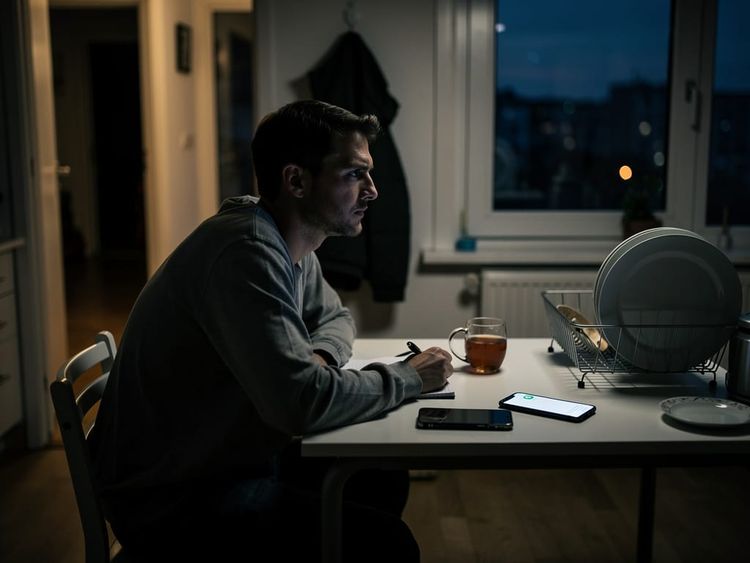
At first, I thought alcohol helped me sleep.
After all, it made me feel relaxed. Sometimes even sleepy.
But the sleep I got after drinking never felt as restorative.
I’d fall asleep quickly, then wake up during the night. Or I’d get a full number of hours but still wake up feeling heavy, foggy, and not fully rested.
That was frustrating.
Because sleep had become one of the biggest foundations of my health. I had already learned how much better I felt when I protected it.
And alcohol was quietly interfering with that.
Recovery Took a Hit Too
The next thing I noticed was recovery.
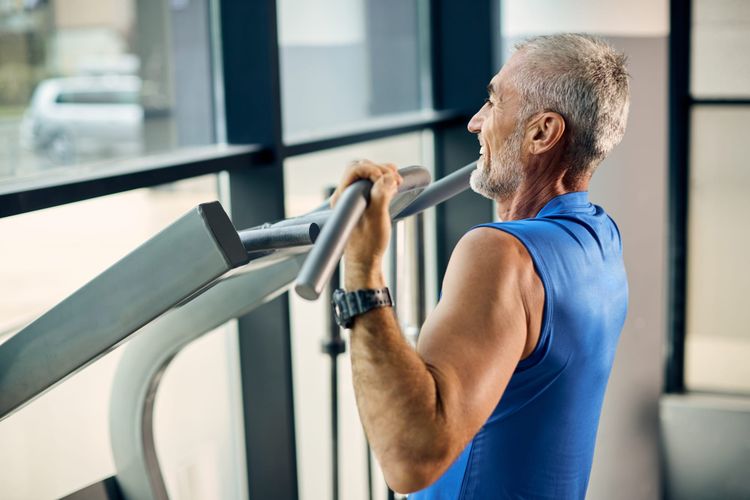
If I drank more than usual, my workouts felt worse for a day or two.
I wasn’t as sharp.
My body felt slower.
My motivation dipped.
My muscles felt heavier than normal.
It wasn’t always dramatic, but it was noticeable.
In my twenties, I could ignore that. In my 30s, I felt it.
That’s when I started realizing that every choice has a cost - not in a guilt-driven way, but in a practical way.
If I wanted better energy and better recovery, I had to be honest about what was affecting them.
Social Drinking Was More Habit Than Choice
One thing I had to admit was that a lot of my drinking wasn’t intentional.
It was automatic.
Dinner with friends? Drink.
Weekend gathering? Drink.
Stressful Friday? Drink.
Not because I always wanted it, but because it was just what I did.
And I think a lot of men fall into that pattern.
Alcohol becomes part of relaxing, celebrating, socializing, and disconnecting.
But when something becomes automatic, it’s worth questioning.
Not judging.
Just questioning.
I Started Setting Personal Limits
The biggest change I made was deciding my limits before the moment arrived.
Because making decisions after a drink or two is much harder than making them ahead of time.
For me, that meant:
- knowing how many drinks I was comfortable with
- drinking water between drinks
- not drinking too close to bedtime
- avoiding alcohol when I was already exhausted or stressed
- being okay with saying no
These weren’t strict rules for everyone.
They were boundaries for myself.
And boundaries helped me feel more in control.
I Stopped Using Alcohol as Stress Relief
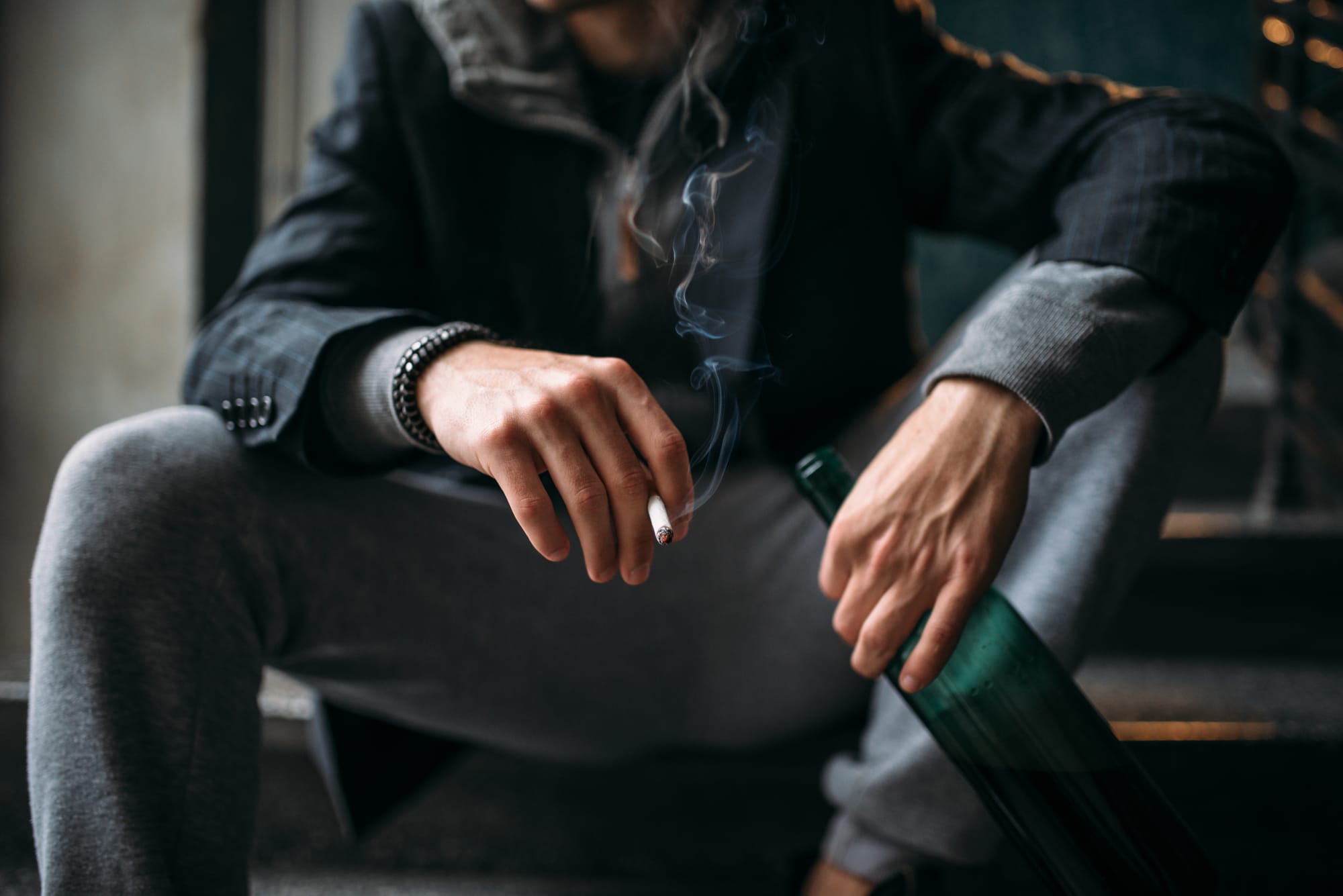
This was probably the most important shift.
There’s a difference between enjoying a drink and using alcohol to escape how you feel.
I had to be honest with myself about that.
Some nights, I wasn’t drinking because I genuinely wanted a drink.
I was drinking because I was stressed, tired, or mentally overloaded.
Once I noticed that, I started replacing that habit with better outlets:
- walking
- training
- journaling
- taking a shower
- getting outside
- going to bed earlier
None of those felt as instantly numbing.
But they actually helped.
That’s the difference.
I Learned That “Less” Can Be Enough
For a while, I thought my options were either:
- drink like usual
- or quit completely
But there is a lot of space in between.
For me, a healthier relationship with alcohol meant drinking less often, drinking more intentionally, and not letting alcohol decide how my next day would feel.
Sometimes that means having one drink and stopping.
Sometimes it means not drinking at all.
Sometimes it means enjoying a social night without turning it into a full recovery project the next morning.
That balance feels much better than the all-or-nothing mindset I used to have.
The Benefits Were Hard to Ignore
Once I reduced alcohol and became more intentional, I noticed real changes.
My sleep improved.
My mornings felt easier.
My workouts were better.
My mood felt more stable.
My weekends felt less like something I needed to recover from.
And maybe most importantly, I felt more honest with myself.
I wasn’t pretending alcohol had no effect.
I was simply making choices with clearer awareness.
I Still Believe in Enjoying Life
This isn’t about being rigid.
I still believe health should leave room for enjoyment, social connection, and flexibility.
But enjoyment should actually feel enjoyable.
If something leaves me feeling drained, foggy, anxious, or frustrated the next day, I have to ask whether it’s really serving me.
That question has helped me make better choices without turning health into a set of harsh rules.
What I’d Tell Other Men
If alcohol is affecting your sleep, energy, mood, training, or relationships, it’s worth paying attention.
That doesn’t mean you need to panic.
It doesn’t mean you need to label yourself.
But it does mean being honest.
Ask yourself:
- Am I drinking by choice or by habit?
- Do I like how I feel afterward?
- Is alcohol helping me relax, or helping me avoid something?
- What would change if I drank less for a while?
Those questions can tell you a lot.
Final Thoughts
Building a healthier relationship with alcohol didn’t come from guilt.
It came from awareness.
I started noticing how it affected my body, my mind, my sleep, and my energy.
And once I noticed, I couldn’t go back to pretending it didn’t matter.
Now, I don’t see drinking less as missing out.
I see it as choosing how I want to feel - not just tonight, but tomorrow too.
Alcohol doesn’t have to control your health to affect it. Sometimes the most powerful change is simply becoming honest about what it costs you - and deciding what you actually want from your life.
Don't miss out on future updates!
Join our newsletter to get the latest insights delivered straight to your inbox.