The Small Signs My Body Was Recovering Better
For a long time, I thought recovery was something you only noticed after a hard workout.
Less soreness.
Better strength.
Maybe feeling ready to train again.
But over time, I realized recovery shows up in much smaller ways too.
It shows up in how you sleep.
How you wake up.
How your mood feels during the day.
How your digestion behaves.
How steady your energy is when life gets busy.
In my 30s, I’ve learned to pay more attention to those quiet signs.
Because sometimes progress isn’t loud.
Sometimes it looks like your body finally feeling safe enough to function better.
I Used to Miss the Signs
When I was younger, I measured progress in obvious ways.
Was I lifting more?
Was I looking leaner?
Was I pushing harder?
Those things mattered to me.
But I didn’t pay much attention to how I felt outside the gym.
I ignored:
- poor sleep
- low patience
- digestive issues
- afternoon crashes
- constant tension
I thought those were just normal parts of life.
Now I see them differently.
They were signs my body wasn’t recovering well.
Better Sleep Was the First Clue
The first real sign that things were improving was sleep.
Not just sleeping longer - sleeping better.
I started noticing that I was falling asleep more easily and waking up less during the night. My mornings didn’t feel as heavy. I wasn’t reaching for coffee quite as desperately.
That was a big deal for me.
Because when sleep improves, everything else starts feeling more manageable.
My focus was better.
My mood was steadier.
My workouts felt stronger.
It reminded me that sleep isn’t just rest.
It’s repair.
My Mood Became Calmer
Another sign was emotional.
I wasn’t suddenly happy every second of the day, but I felt less reactive.
Things that used to irritate me didn’t hit as hard.
Traffic. Work pressure. Small frustrations. Unexpected changes.
I had more space between what happened and how I responded.
That told me something important:
When my body is under-recovered, my patience disappears quickly.
But when I’m sleeping better, eating properly, moving regularly, and managing stress, I feel more emotionally steady.
That kind of calm is one of the clearest signs of recovery for me.
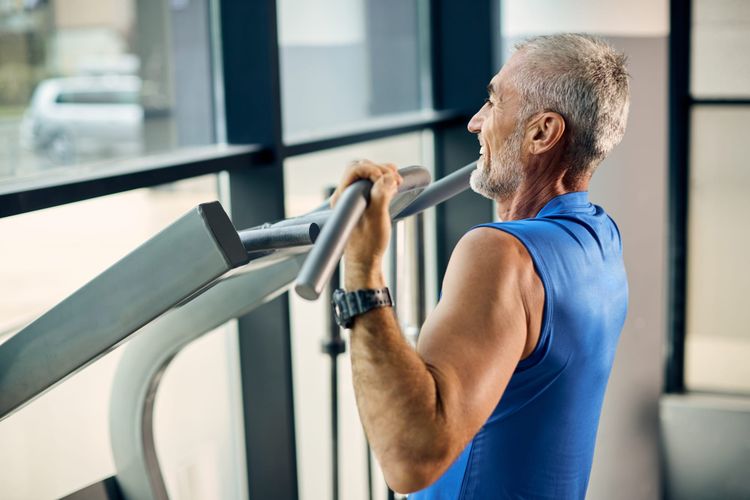
My Workouts Started Feeling Stronger Again
This was the sign I expected.
But it didn’t happen because I trained harder.
It happened because I recovered better.
Once I started taking rest, food, hydration, and sleep more seriously, my training improved naturally.
I noticed:
- better endurance
- more stable strength
- less soreness
- more motivation to train
- fewer random aches
The strange part is that backing off a little helped me move forward.
That was a lesson I needed.
Sometimes the answer isn’t more effort.
Sometimes it’s better recovery.
My Digestion Improved
This one surprised me.
I didn’t connect digestion with recovery at first, but now I absolutely do.
When I’m stressed, sleeping badly, eating too fast, or relying on random convenience meals, my digestion usually lets me know.
I feel heavier.
More bloated.
Less comfortable.
But when I’m taking better care of myself, digestion becomes smoother.
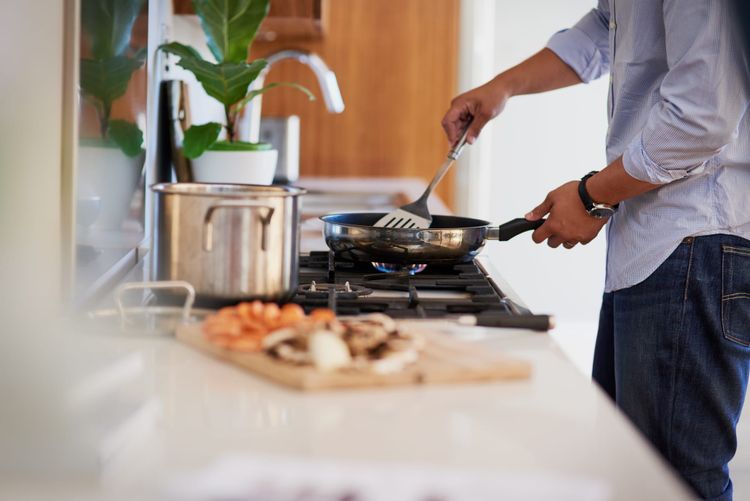
Regular meals, enough water, slower eating, walking after meals - those small things made a real difference.
And when digestion improves, energy usually improves too.
My Energy Became Steadier
I used to think good energy meant feeling fired up all day.
Now I see it differently.
Good energy feels steady.
Not huge spikes followed by crashes.
Not caffeine carrying me through the afternoon.
Not pushing through exhaustion until I collapse at night.
Steady energy feels quieter.
It means I can move through the day without feeling like I’m constantly fighting my own body.
For me, this became one of the best signs that my habits were working.
I Stopped Feeling Constantly Tense
Another small sign was less physical tension.
My shoulders weren’t always tight.
My jaw wasn’t clenched as often.
My body didn’t feel like it was bracing for something all day.
That told me my nervous system was calming down.
Stress doesn’t only live in your thoughts.
It lives in your body too.
And when recovery improves, your body starts letting go a little.
That was one of the most noticeable changes for me.
I Felt More Like Myself
This is harder to explain, but it might be the most important sign.
When I’m under-recovered, I don’t feel like myself.
I feel:
- flat
- impatient
- distracted
- unmotivated
- disconnected
But when my body is recovering better, I feel more present.
More capable.
More clear-headed.
More grounded.
That feeling matters.
Because health isn’t just about numbers or routines.
It’s about how you experience your own life every day.
What Helped My Recovery Most
The habits that helped weren’t complicated.
They were basic:
- sleeping more consistently
- eating enough real food
- drinking more water
- walking regularly
- taking rest days seriously
- reducing late-night screen time
- not training through exhaustion
- managing stress instead of ignoring it
None of those sound impressive.
But repeated consistently, they changed how I felt.
And that’s the point.
Recovery Is Feedback
One thing I’ve learned is that your body is always giving feedback.
Poor sleep is feedback.
Low mood is feedback.
Bad digestion is feedback.
Lack of motivation is feedback.
Constant soreness is feedback.
It doesn’t always mean something is seriously wrong.
But it does mean something deserves attention.
And when those things start improving, that’s feedback too.
It means your body is responding.
It means your habits are helping.
Final Thoughts
Recovery doesn’t always announce itself with dramatic changes.
Sometimes it shows up quietly.
You wake up a little easier.
You feel calmer during the day.
Your workouts feel better.
Your digestion improves.
Your energy stops crashing so hard.
Those small signs matter.
They’re reminders that health isn’t only built by pushing harder.
It’s also built by giving your body what it needs to rebuild, reset, and come back stronger.
Better recovery doesn’t always look impressive from the outside. Sometimes it simply feels like having more energy, more patience, and more trust in your own body again.
Don't miss out on future updates!
Join our newsletter to get the latest insights delivered straight to your inbox.