How I Overcame Stress with Simple Mindfulness Practices
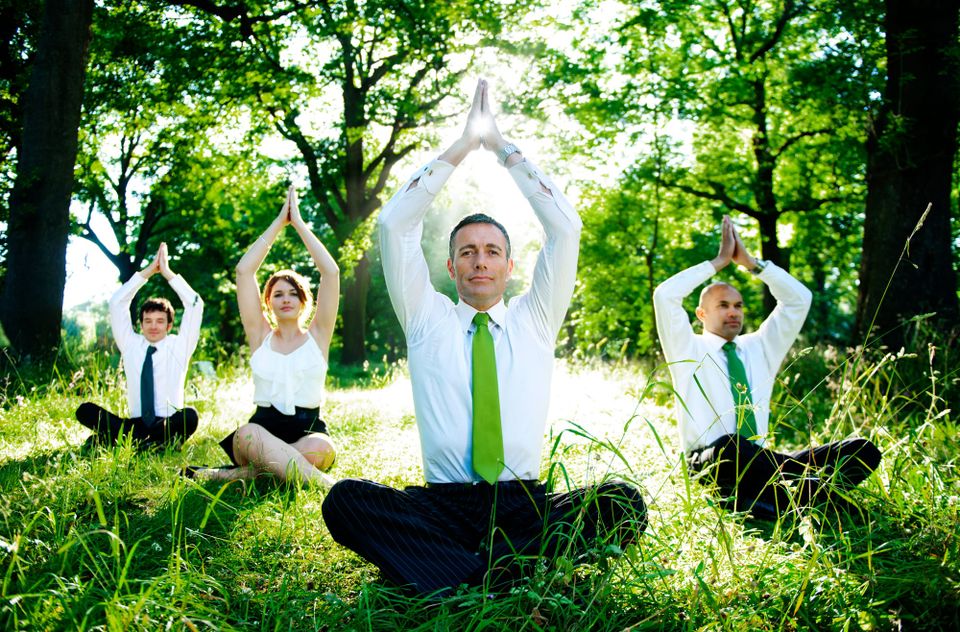
If you’re like most people, stress is something you deal with on a regular basis. Whether it’s from work, family responsibilities, or the constant pressure to keep up with daily life, stress can feel overwhelming at times. A few years ago, I was no stranger to that feeling. I used to wake up already feeling anxious about the day ahead, and by the time I went to bed, my mind was still racing with thoughts of everything I had to do.
But something had to change. I realized that if I wanted to reclaim my health and well-being, I had to find a way to manage the stress that was constantly taking a toll on me. That’s when I turned to mindfulness. At first, I wasn’t sure it was going to make a difference, but over time, I found that mindfulness practices became the key to overcoming stress and regaining my mental clarity.
In this post, I’ll share how mindfulness practices, like deep breathing, meditation, and journaling, have helped me combat stress and improve my mental well-being. I’ll also offer some practical techniques that you can try yourself. It’s not about eliminating stress from your life completely (because let’s face it, that’s impossible). It’s about learning how to manage it and not let it control your every move.
The Turning Point: Realizing Stress Wasn’t Just “Normal”
A few years ago, I was living in a constant state of stress. Every day felt like a race, and I was always behind. The pressure to keep up at work, meet deadlines, and juggle personal commitments took a toll on my mental and physical health. I wasn’t sleeping well, I wasn’t eating properly, and my energy levels were constantly low. Most importantly, I had developed a sense of anxiety that I couldn’t shake off.
It wasn’t until a close friend pointed out how frazzled I seemed that I realized how bad it had gotten. I was snapping at people, feeling overwhelmed all the time, and struggling to stay focused. My mind was cluttered with thoughts of everything I had to do. That’s when I knew I needed to change something - I couldn’t live like this anymore. That’s when I turned to mindfulness.
The Power of Mindfulness: What I’ve Learned
Mindfulness is a practice of being fully present in the moment, without judgment. It’s about slowing down and paying attention to your thoughts, feelings, and physical sensations, without getting caught up in them. For me, it was a way to pause, take a step back, and regain control over my mind.
Incorporating mindfulness into my daily life didn’t happen overnight. I started with small, simple practices and gradually built up to more structured mindfulness techniques. It’s been a life-changing process that has helped me manage stress, improve my mental clarity, and create a sense of peace, even during busy or chaotic times.
Mindfulness Techniques That Helped Me Overcome Stress
Now, I want to share some of the mindfulness techniques that have had the biggest impact on my stress levels. These are practices that I incorporate into my day-to-day routine, and they’ve made a world of difference. If you’re struggling with stress, I encourage you to try these techniques and see how they work for you.
1. Deep Breathing: A Simple Yet Powerful Tool
One of the first mindfulness practices I turned to was deep breathing. It may sound simple, but breathing deeply and consciously has been a game-changer for me. When I’m feeling stressed or anxious, I take a moment to stop what I’m doing and focus on my breath.
Why it works:
Deep breathing activates the body’s parasympathetic nervous system, which is responsible for calming the body down. It slows the heart rate, reduces blood pressure, and helps bring a sense of relaxation to both the body and mind.
How I do it:
- Sit or stand comfortably.
- Take a slow, deep breath in through your nose, letting your belly rise as you inhale.
- Hold the breath for a moment, then exhale slowly through your mouth.
- Repeat this for 3-5 minutes or until you start to feel more relaxed.
I’ve found that when I make deep breathing a habit, it not only helps me in stressful moments, but it also gives me a sense of calm throughout the day.
2. Meditation: Finding Stillness in the Chaos
Meditation was another practice that made a huge difference for me. At first, I thought meditation was something that would require hours of sitting still, which felt impossible with my busy schedule. But over time, I realized that even just a few minutes of meditation can have a profound impact on reducing stress.
Why it works:
Meditation helps calm the mind by creating space between your thoughts. Instead of constantly reacting to everything around you, meditation allows you to be present with your thoughts and emotions, rather than being consumed by them.
How I do it:
- I use an app (like Headspace or Calm) for guided meditation, but you can also meditate without any tools.
- Find a quiet space, sit comfortably, and close your eyes.
- Focus on your breath, or listen to a guided session if you prefer.
- If your mind starts to wander, gently bring your attention back to your breath or the guided instructions.
I typically meditate for about 5-10 minutes in the morning, and I’ve noticed that even this short session can help me feel more grounded and less anxious.
3. Journaling: A Way to Clear My Mind
Journaling has been a huge part of my mindfulness practice. Writing down my thoughts allows me to externalize whatever’s going on in my head, which helps me process my emotions and make sense of my feelings. It’s also a great way to reflect on what’s working in my life and what isn’t.

Why it works:
Journaling allows you to release pent-up emotions and stress, helping you gain clarity and perspective. It’s also a great way to track your progress with mindfulness and self-care over time.
How I do it:
- Every morning or evening, I spend 10-15 minutes writing in my journal.
- I write about whatever’s on my mind, how I’m feeling, or anything I’m struggling with.
- I also use journaling to focus on gratitude, writing down three things I’m thankful for each day.
The simple act of writing down my thoughts has given me a sense of control over my mind. It’s a great way to decompress and shift from a place of stress to a more relaxed state.
4. Mindful Walking: Getting Out of My Head
For me, movement is an important part of mindfulness. Taking short walks throughout the day has helped me get out of my head and focus on the present moment. Walking, especially in nature, allows me to disconnect from my thoughts and simply enjoy the world around me.

Why it works:
Mindful walking involves paying attention to your surroundings, your breath, and your body as you walk. It’s a form of moving meditation that can be incredibly calming and grounding.
How I do it:
- Take a 10-15 minute walk during lunch or whenever I need a break.
- As I walk, I focus on my steps, the feeling of my feet hitting the ground, and the sights and sounds around me.
- I try to leave my phone behind and avoid distractions during these walks.
Mindful walking is a great way to clear my mind and reduce stress, especially when I’m feeling overwhelmed.
Final Thoughts: The Power of Mindfulness
Mindfulness has completely transformed the way I handle stress. It hasn’t been an overnight fix, but by incorporating small, consistent mindfulness practices into my life, I’ve been able to gain a sense of calm, focus, and resilience that I never thought possible. Stress is still a part of my life, but now I have the tools to manage it in a healthy and productive way.
If you’re struggling with stress, I encourage you to give mindfulness a try. Start with one practice, whether it’s deep breathing, meditation, or journaling, and build from there. You don’t need to do it perfectly - it’s about showing up for yourself and creating space for calm in your life.
What mindfulness practices help you manage stress? I’d love to hear your experiences in the comments below!
Remember, you don’t have to let stress control your life. With mindfulness, you can take back your peace of mind.
Don't miss out on future updates!
Join our newsletter to get the latest insights delivered straight to your inbox.