Sleep Like a Pro: How I Finally Mastered My Sleep Routine

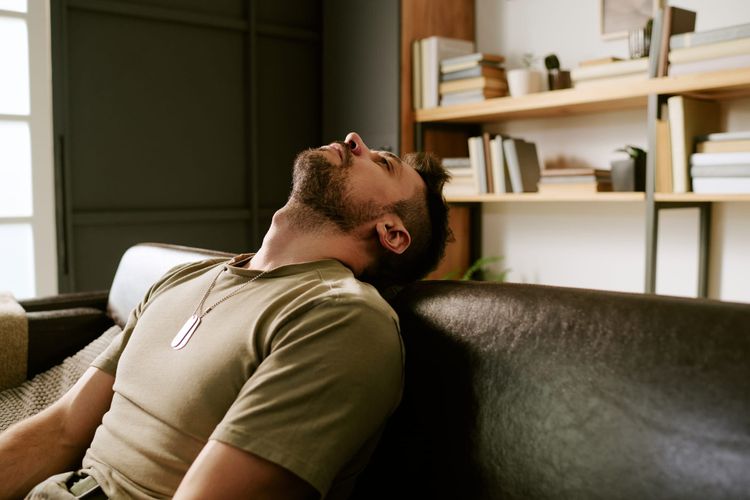
For most of my twenties, I treated sleep like it was optional. I’d stay up late scrolling, watching “just one more episode,” or finishing work I could’ve easily done the next day. Then I’d wake up tired, hit snooze three times, and rely on coffee to function. It became normal - but deep down, I knew something wasn’t right.
The turning point came when I realized I wasn’t just tired… I was constantly drained. My focus was off, my workouts felt harder, and even my mood took a hit. That’s when I started taking sleep seriously - not as a luxury, but as a foundation.
This post isn’t about perfection. It’s about what actually worked for me - simple, realistic changes that helped me go from restless nights to genuinely restorative sleep.
The Wake-Up Call (Ironically)
I used to think I could “catch up” on sleep during weekends. But no matter how much I slept in, I never felt fully recharged. I’d still feel groggy, unfocused, and slightly out of sync.
That’s when I started learning more about sleep - and realized it’s not just about how long you sleep, but how well you sleep… and how consistent you are.
So I decided to approach sleep the same way I approached my health: small, intentional habits.
1. Creating a Consistent Sleep Schedule
This was the hardest change at first - but probably the most impactful.
I started going to bed and waking up at roughly the same time every day. Not perfectly, but consistently enough that my body started to adjust.
What changed:
- Falling asleep became easier
- I woke up with less grogginess
- My energy felt more stable throughout the day
What helped me stick to it:
- Setting a “wind-down alarm” (not just a wake-up alarm)
- Accepting that consistency matters more than perfection
2. Building a Simple Bedtime Ritual
I used to go straight from screen time to trying to sleep - and my brain just wouldn’t switch off.
So I created a simple routine to signal to my body: it’s time to slow down.
Nothing fancy. Just a few consistent steps:
- Dim the lights
- Put my phone away (or at least reduce usage)
- Do some light stretching or read a few pages
Why it worked:
Your body loves signals. When you repeat the same calming actions every night, your brain starts associating them with sleep.
Now, when I start my routine, I actually feel myself getting sleepy - which never used to happen.
3. Reducing Late-Night Stimulation
This one was a game-changer.
I didn’t realize how much late-night stimulation was affecting my sleep:
- Bright screens
- Heavy meals
- Caffeine too late in the day
I didn’t eliminate everything - I just adjusted.
What I changed:
- No caffeine after early afternoon
- Lighter dinners in the evening
- Limiting intense screen time before bed
The result:
I stopped feeling “wired but tired” - that frustrating state where your body is exhausted but your mind won’t shut off.
4. Respecting the Power of Wind-Down Time
I used to think productivity meant squeezing more into the evening.
Now I see evenings differently - as preparation for the next day.
Instead of pushing until I crash, I give myself space to slow down.
Sometimes that looks like:
- A quiet walk
- Journaling a few thoughts
- Just sitting without stimulation
It’s not about doing more. It’s about doing less - intentionally.
And honestly, this shift alone improved not just my sleep, but my overall sense of calm.
5. Optimizing My Sleep Environment
I didn’t overhaul my bedroom completely - just made a few small tweaks:
- Cooler temperature
- Darker room (blackout curtains helped a lot)
- Less clutter
I also started associating my bed with sleep only - not work, not scrolling endlessly.
It sounds simple, but your environment plays a bigger role than you think.
6. Listening to My Body (Instead of Fighting It)
This might be the most underrated lesson.
There were nights I couldn’t sleep - and instead of getting frustrated, I learned to work with my body.
If I couldn’t fall asleep, I’d:
- Get up for a few minutes
- Read something light
- Avoid forcing it
The more I stopped fighting sleep, the easier it came.
What Changed for Me
Once my sleep improved, everything else followed:
- Better energy - no more relying on caffeine to survive
- Clearer thinking - I could focus without constant mental fog
- Improved mood - less irritability, more patience
- Stronger workouts - my body actually recovered
Sleep stopped being something I squeezed in… and became something I protected.
Final Thoughts: Sleep Is a Skill
If there’s one thing I’ve learned, it’s this:
Good sleep isn’t luck - it’s built.
You don’t need a perfect routine or expensive tools. You just need a few consistent habits that tell your body it’s safe to rest.
If you’re struggling with sleep, start small:
- Go to bed 15 minutes earlier
- Create a simple wind-down routine
- Pay attention to how you feel
Give it time. Your body knows what to do - you just have to support it.
If there’s one habit that quietly upgrades every part of your life… it’s sleep.
Don't miss out on future updates!
Join our newsletter to get the latest insights delivered straight to your inbox.