The Power of Movement: How Daily Exercise Boosts My Mental Health
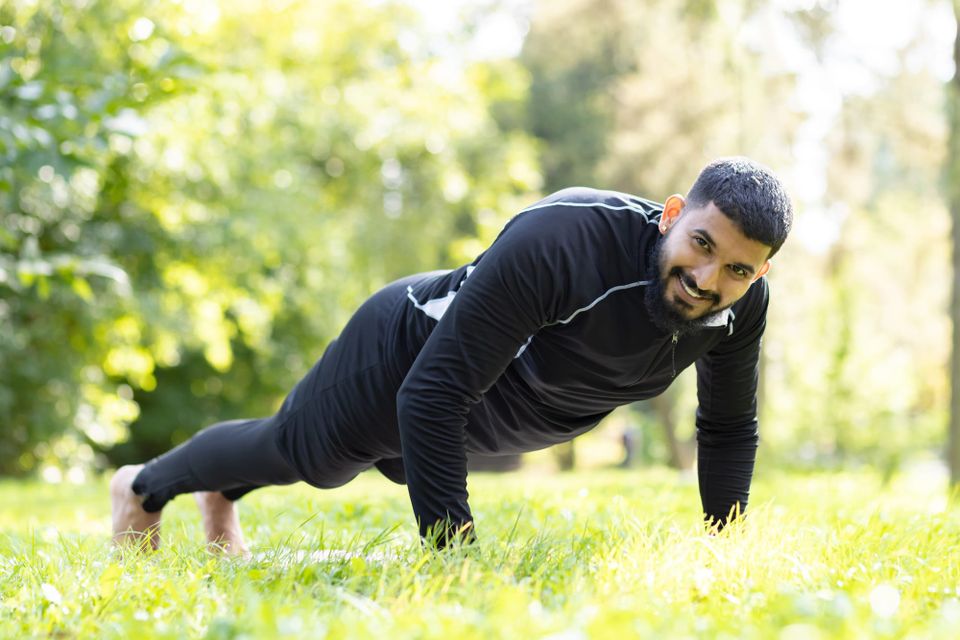
When I first started exercising regularly, it was for the typical reasons: to lose weight, get stronger, and look better. But as I stuck with it, I quickly realized that the benefits of exercise went far beyond just physical changes. It was the mental and emotional improvements that really started to change my life. Regular exercise didn’t just help me build muscle or lose fat - it helped me feel more focused, more energized, and more at peace with myself.
In this post, I want to share how daily exercise has positively impacted my mental health and overall well-being. I’ll also offer some simple, accessible workout ideas that anyone can try, no matter where they are in their fitness journey. Whether you’re a beginner or a seasoned athlete, movement has the power to transform your mind as much as your body.
My Journey: From Physical Goals to Mental Clarity
Like many people, I started exercising to improve my body. I was in my late twenties, feeling the toll of a desk job and long hours in front of a screen. My energy levels were low, and I felt like I had no motivation to do anything outside of work. I started working out in the hopes that I’d shed some extra pounds and feel better in my clothes.
At first, it was tough. I wasn’t used to moving my body consistently, and I had to push through some initial discomfort. But over time, I started noticing subtle changes: my clothes fit better, I felt stronger, and I had more energy throughout the day. I was starting to look and feel better on the outside - but something else was happening too.
I began to notice that I was feeling less stressed. I had more mental clarity and focus. I was more patient with myself and others, and I could handle challenging situations with more calm and confidence. I didn’t know it at the time, but this was the beginning of realizing that exercise wasn’t just a physical practice - it was a mental one, too.
The Mental Health Benefits of Regular Exercise
Exercise is often hailed as a physical activity, but its mental and emotional benefits are just as powerful. Here are a few of the key ways regular movement has helped improve my mental health:
1. Stress Relief and Anxiety Reduction
One of the most noticeable benefits I experienced was a significant reduction in stress. Before I started exercising, I often felt overwhelmed by the demands of work and daily life. My mind was constantly racing, and I found it hard to unwind. But after just a few weeks of regular exercise, I started noticing that I was able to handle stress more easily.
Exercise helps regulate the release of stress hormones like cortisol, while boosting the production of feel-good hormones like endorphins. This combination leaves me feeling more relaxed and less anxious, even after a busy day. When life feels like it’s piling up, a good workout is my go-to stress reliever.
2. Improved Mood and Emotional Well-Being
In addition to reducing stress, exercise has been a game-changer for my mood. I’ve always struggled with occasional bouts of low mood and irritability, but regular physical activity has helped me maintain a more stable emotional state. Exercise triggers the release of endorphins, the body’s natural mood boosters, which helps elevate my mood and reduce feelings of sadness or frustration.
On days when I’m feeling off or down, I’ve learned that a quick workout can completely shift my perspective. Whether it’s a walk in the park or a more intense session at the gym, exercise gives me a mental reset, leaving me feeling happier and more balanced.
3. Better Sleep and Restful Nights
As I started exercising more consistently, I also noticed improvements in my sleep. I used to struggle with falling asleep and staying asleep, especially during times of high stress. But after incorporating regular exercise into my routine, I found that I was able to fall asleep faster and experience deeper, more restful sleep.
Exercise helps regulate the body’s circadian rhythm and promotes relaxation, making it easier for the body to wind down at night. I also found that exercising earlier in the day helped me feel more energized and ready to tackle the day, while preventing the over-stimulation that sometimes comes from late-night workouts.
4. Increased Self-Confidence
Exercise has also done wonders for my self-confidence. As I got stronger and more capable physically, I noticed a shift in how I viewed myself. The small wins, like running farther or lifting heavier weights, reinforced a sense of achievement and self-worth. And as I saw physical changes in my body, I began to feel more comfortable in my own skin.
But it wasn’t just about how I looked - it was about how I felt. Regular exercise gave me a sense of control over my body and my life, which boosted my overall confidence. I’ve learned that when I take care of myself physically, it’s easier to show up as the best version of myself in every other area of my life.
5. Enhanced Focus and Mental Clarity
I often struggle with focus, especially during long hours of work. But I’ve noticed that regular exercise significantly improves my ability to concentrate. When I take a break to move my body - even for just a short walk or stretching session - I come back to my work feeling more mentally clear and energized.
Physical activity boosts blood flow to the brain, which enhances cognitive function and improves memory, focus, and productivity. For me, exercise has become an essential tool for staying sharp and alert throughout the day.
Simple Workouts for Any Fitness Level
You don’t need to be an athlete or spend hours in the gym to reap the mental health benefits of exercise. In fact, I’ve found that even short, simple workouts can make a big difference in how I feel. Here are some easy, accessible workout ideas that anyone can try, no matter where they are in their fitness journey:
1. Walking or Jogging
One of the simplest and most effective forms of exercise is walking. Whether it’s around your neighborhood or on a nearby trail, walking helps clear your mind and reduce stress. If you’re looking for more of a challenge, try jogging. It’s an excellent cardiovascular workout that also boosts your mood.
How to do it:
- Start with a brisk 15-30 minute walk or jog.
- Focus on your breathing and the rhythm of your steps. Leave your phone behind if you can to enjoy the peace of the outdoors.
2. Bodyweight Exercises
You don’t need any equipment to get a great workout. Bodyweight exercises like squats, lunges, push-ups, and planks are easy to do at home and can be modified to fit your fitness level.
How to do it:
- Start with a circuit of basic exercises (e.g., 10 squats, 10 lunges, 10 push-ups, 30-second plank).
- Repeat the circuit 2-3 times with short breaks in between.
3. Yoga or Stretching
Yoga is a fantastic way to improve both physical flexibility and mental calm. It’s also a great option for reducing stress and improving focus. Even just 10-15 minutes of stretching can work wonders for your body and mind.
How to do it:
- Start with a basic yoga flow or simple stretches like downward dog, child’s pose, and cat-cow.
- Focus on your breath and allow yourself to relax into each pose.
4. Dancing
Sometimes the best way to lift your mood is by putting on your favorite song and dancing it out. Dancing is a fun way to get your heart rate up, release endorphins, and just let go of any tension you’re holding onto.
How to do it:
- Put on some music you love and dance around for 10-20 minutes.
- Don’t worry about looking silly - just move and have fun!
Final Thoughts: The Mind-Body Connection
Exercise is more than just a way to improve your physical health - it’s a powerful tool for enhancing your mental well-being. Through daily movement, I’ve gained not just strength and endurance, but mental clarity, emotional resilience, and a sense of peace I never thought possible. If you’re struggling with stress, low energy, or mood swings, I encourage you to give exercise a try. Start small, be consistent, and notice how movement can improve both your body and your mind.
What types of exercise have helped improve your mental health? I’d love to hear your experiences and favorite workouts in the comments below!
Remember, your body and mind are connected - take care of one, and the other will follow.
Don't miss out on future updates!
Join our newsletter to get the latest insights delivered straight to your inbox.