The Health Benefits of Having a Slower Weekend Morning
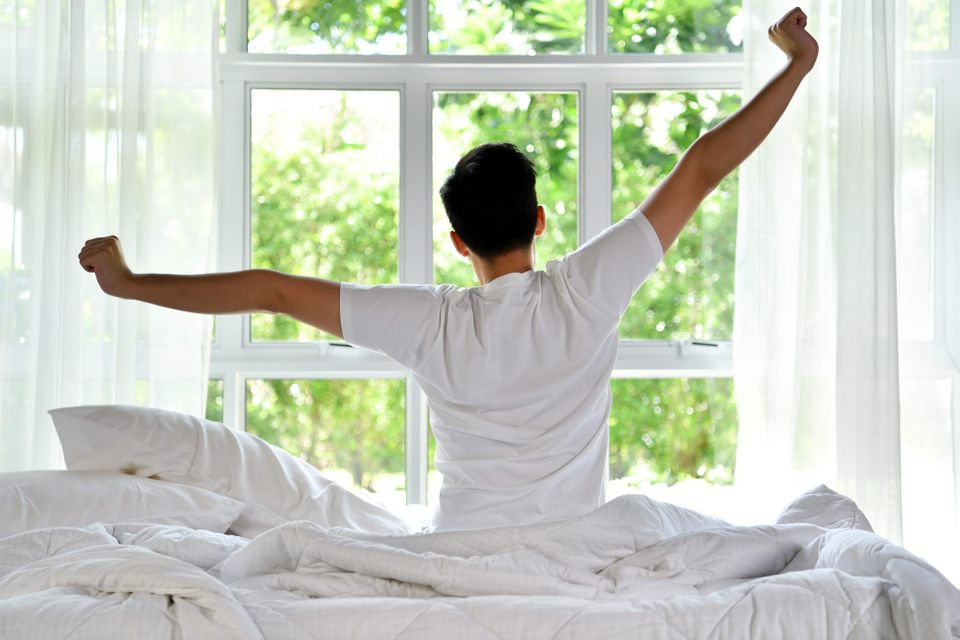
Saturday Used to Feel Like Monday in Disguise
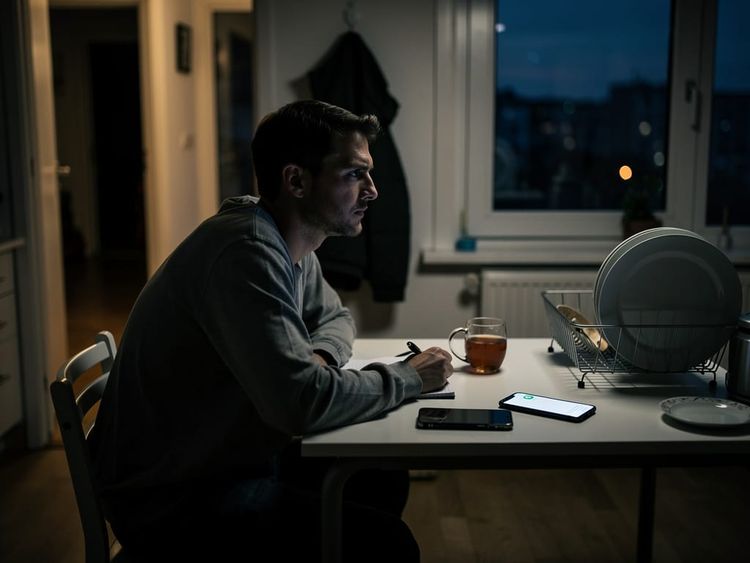
I'll be honest with you - for a long time, I treated weekends like a second shift. Alarm off, phone on, emails checked before my feet even hit the floor. Sound familiar?
By Sunday night, I wasn't rested. I was just a slightly less stressed version of Friday-me. And that cycle was quietly wrecking my energy, my mood, and honestly, my health.
Here's what changed everything: I stopped rushing through my weekend mornings. Not in a dramatic, throw-your-phone-in-a-lake kind of way. Just small, intentional shifts that gave my body and brain a real chance to recover.
Why Men in Their 30s Need This More Than They Think
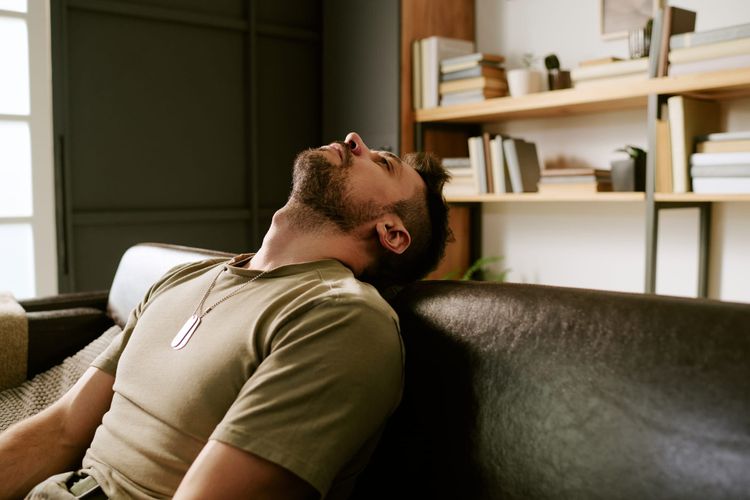
Your 30s hit different. The workweek doesn't just tire you out physically - it depletes you mentally, hormonally, and emotionally. Cortisol (your main stress hormone) stays elevated when you never fully downshift.
Here's the truth: your body can't tell the difference between a stressful Tuesday and a rushed Saturday if you're still operating in the same frantic mode. You need genuine recovery windows, not just time off.
- Chronic high cortisol in your 30s is linked to poor sleep quality, weight gain around the midsection, and lower testosterone levels
- Mental fatigue from the week doesn't reset overnight - it needs intentional, low-stimulation time to clear
- Men who report higher weekend recovery quality consistently show better weekday focus and mood stability
- The nervous system needs parasympathetic activation - basically, the biological opposite of fight-or-flight - to fully repair
A slower morning isn't laziness. It's strategic recovery. There's a big difference.
What a Slower Morning Actually Looks Like
I'm not talking about meditating for an hour or journaling your feelings. This is practical stuff that fits real life.
No Phone for the First 30 Minutes
This one felt impossible at first. Now it's non-negotiable for me.
When you grab your phone first thing, you're immediately handing your attention over to other people's agendas - notifications, news, group chats. Your stress response fires up before you've even had coffee.
- Keeping your phone face-down (or in another room) for just 30 minutes after waking protects your cortisol awakening response - a natural hormonal curve that sets your energy for the whole day
- It gives your prefrontal cortex time to come fully online before you start processing information
- Even 20 minutes of phone-free morning time has been shown to reduce reported anxiety levels throughout the day
A Real Breakfast - Not a Protein Bar on the Go
I used to call skipping breakfast "intermittent fasting." Sometimes it was. Mostly it was just skipping breakfast and calling it something smarter.
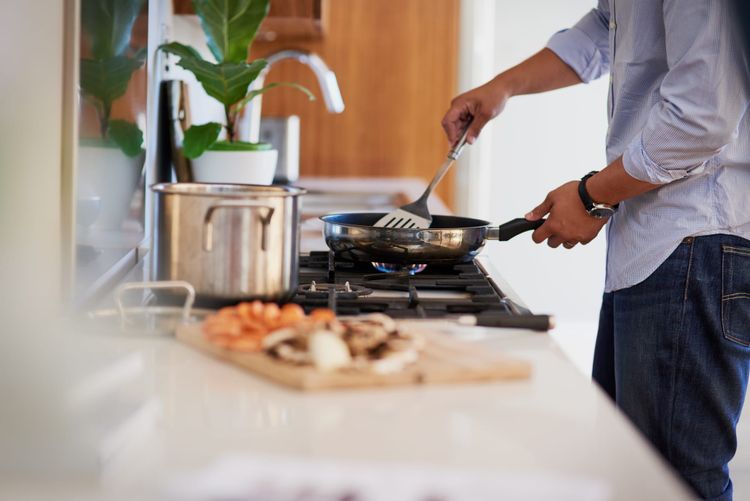
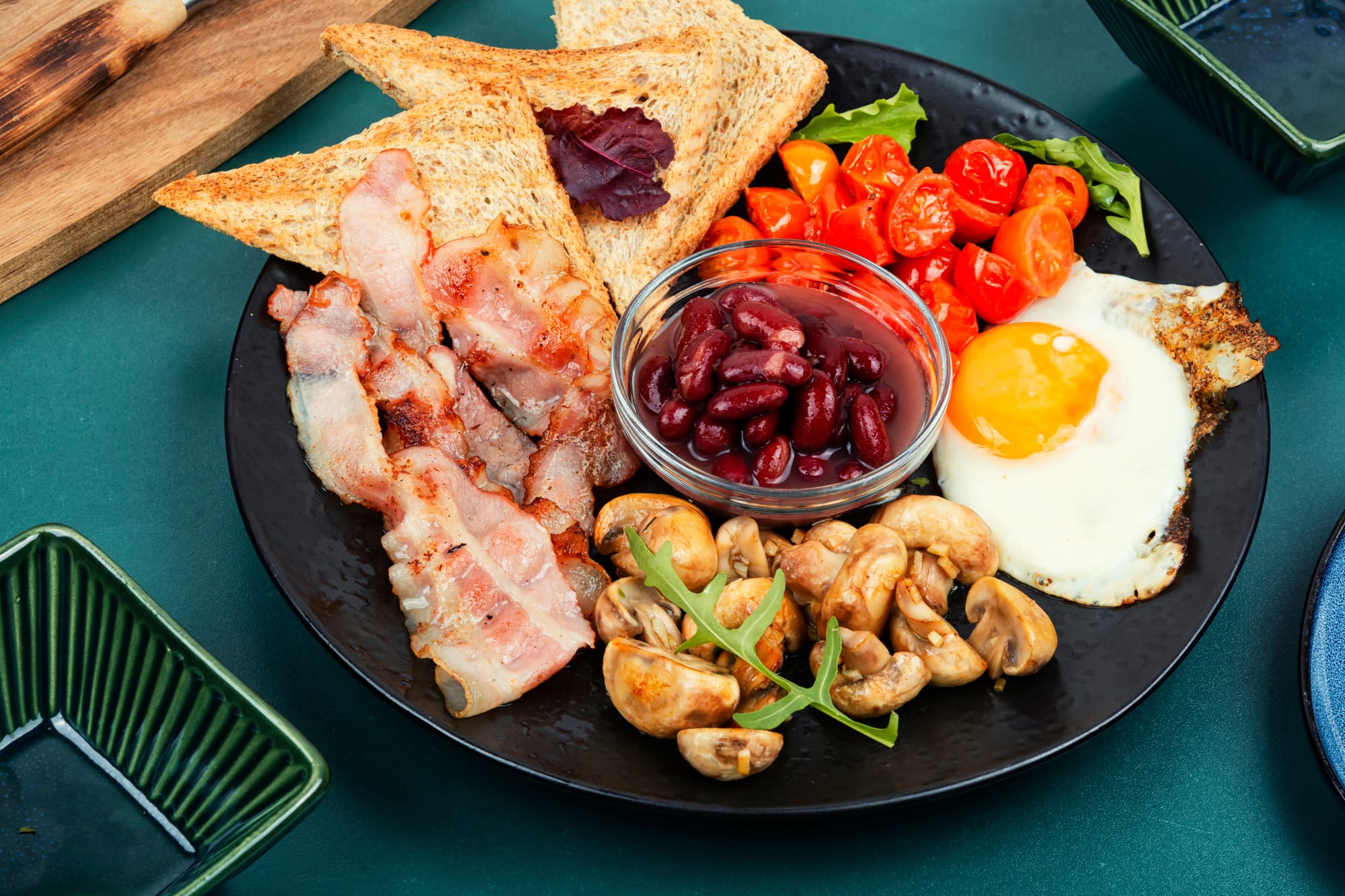
On slower weekend mornings, I actually cook. Eggs, some greens, maybe avocado on sourdough. It takes 15 minutes. And the difference it makes in how I feel by noon is genuinely significant.
- A protein-rich morning meal supports stable blood sugar, which directly affects mood and mental clarity
- Eating without rushing activates the cephalic phase of digestion - your body actually absorbs nutrients more efficiently when you're calm
- Sitting down to eat, without screens, is one of the simplest mindfulness practices that actually works for guys who hate the word mindfulness
A Morning Walk - Even a Short One
Not a workout. Not a run. Just a walk.
There's something about getting outside in the morning light that resets everything. I do about 20-30 minutes, usually with a podcast or just the neighborhood sounds.
- Morning sunlight exposure helps regulate your circadian rhythm, which improves sleep quality the following week
- Low-intensity walking lowers cortisol without spiking adrenaline the way intense exercise can in the morning
- It gets your lymphatic system moving, which supports immune function and reduces that heavy, foggy feeling after a long week
- The change of scenery - even just your street - gives your brain a soft reset that sitting indoors simply can't replicate
Some Actual Quiet Time
This doesn't have to be meditation. It can be coffee on the porch. Reading something you actually enjoy. Sitting without an agenda for ten minutes.
Here's what I've noticed: the weeks where I protect even 20 minutes of genuine quiet on Saturday morning, I feel more like myself by Monday. Not perfect. But present.
- Quiet, low-stimulation time allows your default mode network - the part of your brain that processes emotions and consolidates memory - to do its job
- It reduces decision fatigue going into the rest of the weekend
- Men who report regular periods of solitude show lower rates of burnout and higher reported life satisfaction
The Momentum Myth
A lot of guys in their 30s worry that slowing down on the weekend means losing momentum. Like if you're not grinding, you're falling behind.
But here's what I've learned the hard way: recovery is part of the work. Athletes don't skip rest days because they're afraid of losing fitness. They know the rest is where the adaptation happens.
Your brain and body work the same way. A slower Saturday morning doesn't cost you momentum - it builds it. You come into Monday with more clarity, more patience, and more actual energy than the version of you who spent the weekend half-resting and half-stressing.
Start Small - One Change This Weekend
You don't need to overhaul your entire Saturday. That's not the point.
Pick one thing from this list and try it this weekend:
- Leave your phone on the nightstand for the first 30 minutes after waking up
- Make a real breakfast and eat it sitting down, without a screen in front of you
- Take a 20-minute walk before 10 AM
- Sit outside with your coffee and do absolutely nothing for ten minutes
That's it. One thing. See how it feels.
I think you'll be surprised how much a single slower morning can shift the whole tone of your week. It did for me - and I'm someone who used to think rest was something you earned after you'd done enough.
Turns out, rest isn't the reward. It's the strategy.
Don't miss out on future updates!
Join our newsletter to get the latest insights delivered straight to your inbox.