What I Learned From Eating More Slowly
There's a version of me that used to finish dinner before my fork had even cooled down. Same food, same portions - but I felt bloated, restless, and somehow still hungry an hour later. Turns out, the problem wasn't what I was eating. It was the speed at which I was shoveling it in.
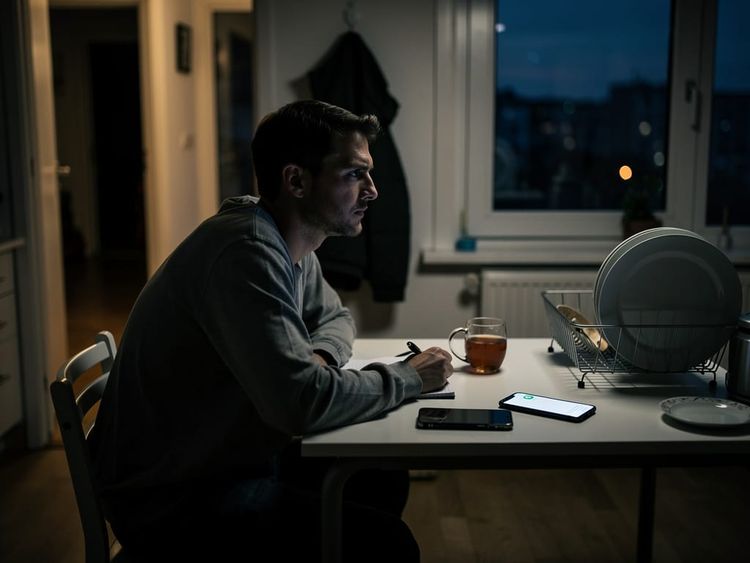
Before: The Man Who Ate Like He Was Running Late
I'm not proud of it, but I used to treat meals like a task to check off. Lunch at my desk, dinner half-watching something on my phone, breakfast basically inhaled standing over the kitchen counter. Sound familiar?
Here's the thing - when you eat fast, your body doesn't get the memo that it's full until it's way too late. The fullness signal from your gut to your brain takes about 15 to 20 minutes to kick in. So if you've cleared your plate in eight minutes flat, you've already overshot the runway before your brain even started its descent.
And it wasn't just the overeating. I noticed I was gassy, uncomfortable after meals, and had this low-grade brain fog in the afternoons that I kept blaming on work stress. I never once connected it to the fact that I was basically swallowing air along with my food because I was eating so fast. My digestion was working overtime on food that hadn't been properly chewed, and my body was paying for it quietly, every single day.
After: What Slowing Down Actually Did for Me
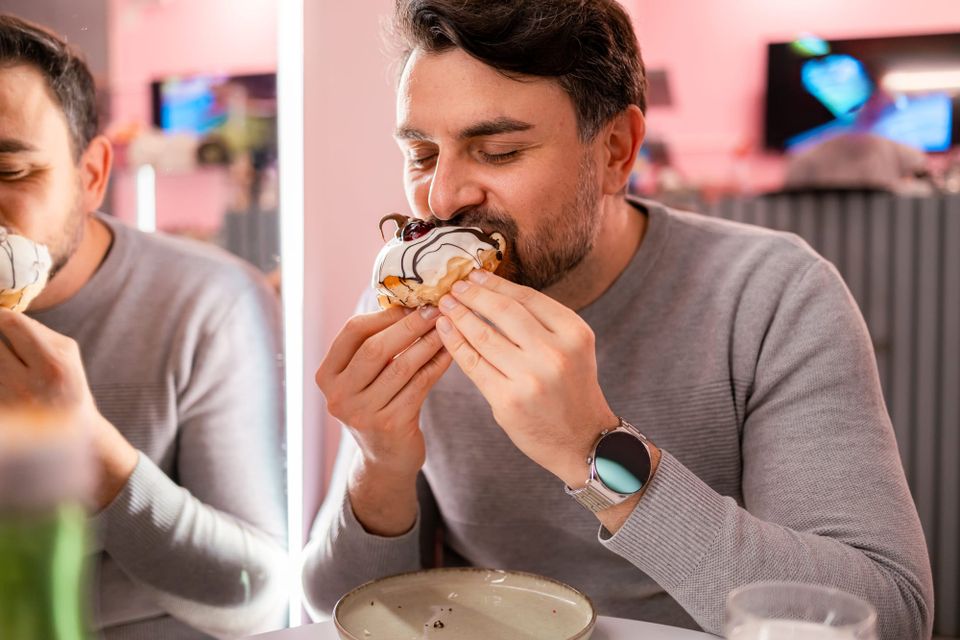
I didn't overhaul my diet. I didn't cut carbs or go plant-based or start meal prepping on Sundays. I just started eating slower - deliberately, almost uncomfortably slowly at first - and the changes caught me off guard.
Within about two weeks, the afternoon bloating started to ease up. I was stopping meals feeling satisfied instead of stuffed. That's a distinction I'd never really paid attention to before, but once you feel it, you can't unfeel it. Satisfied is light and clear. Stuffed is that heavy, regret-adjacent feeling where you're loosening your belt and questioning your choices.
The stress eating piece was the real surprise, though. I realized a lot of my fast eating was tied to anxiety - a kind of nervous, automatic shoveling that had nothing to do with hunger. Slowing down forced me to actually check in with myself mid-meal. Am I still hungry? Or am I just eating because the food is there? That small pause changed a lot. It's not therapy, but it's not nothing either.
The Bridge: How to Get There
- Put your fork down between bites. Seriously, just set it on the plate. It feels awkward at first, but it physically forces a pause and breaks the autopilot rhythm of eat-chew-swallow-repeat.
- Chew more than you think you need to. Aim for around 20 chews per bite for solid food. Your stomach doesn't have teeth - digestion starts in your mouth, and the more work you do there, the easier the rest of the process goes.
- Remove the screen from the table. Phone face-down, TV off. Even just for one meal a day. Distracted eating is fast eating. When your attention is split, you lose track of how much you've eaten and how full you're getting.
- Set a minimum meal time. Give yourself at least 20 minutes for any real meal. Use a timer if you have to. It sounds ridiculous until you realize you've been finishing dinner in 11 minutes without even noticing.
- Check in halfway through. Stop at the midpoint of your meal and ask yourself how hungry you still are. Not to stop eating - just to reconnect with the actual signal. Most guys in their 30s have been ignoring that signal for so long it takes a little practice to hear it again.
- Make it a non-negotiable for one meal a day first. Don't try to transform every single eating moment at once. Pick lunch or dinner, apply the slow-eating rules there, and let the habit build naturally before expanding it.
You don't need a new diet plan. You don't need a supplement or a food journal or a 12-week program. Sometimes the shift that changes how you feel every day is as simple - and as hard - as just slowing down and actually being present for the meal in front of you. I've been doing this for months now, and I still catch myself rushing sometimes. But I catch it. And that's the whole game.
Don't miss out on future updates!
Join our newsletter to get the latest insights delivered straight to your inbox.