The Surprising Health Cost of Always Eating at My Desk
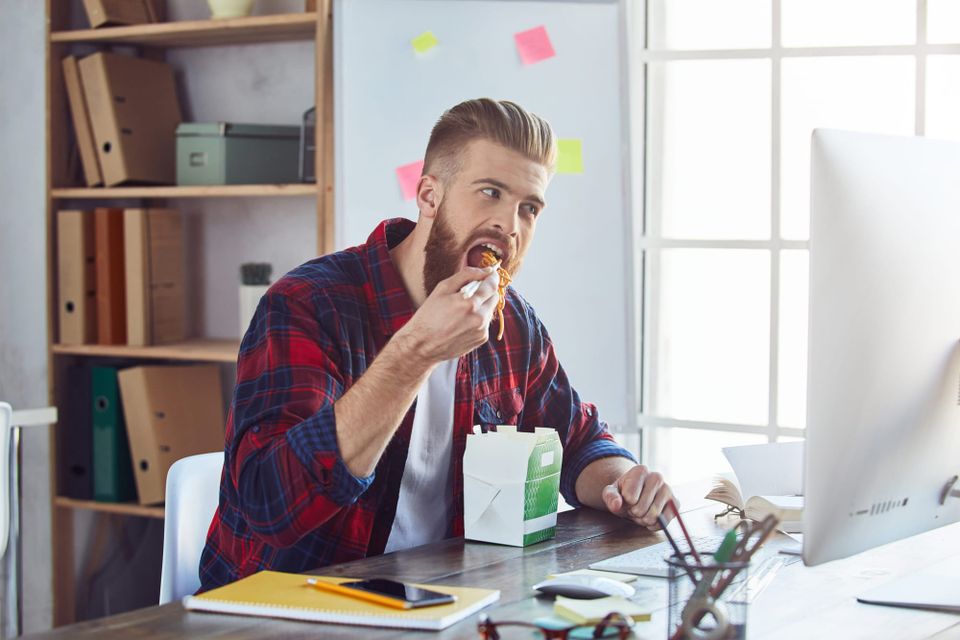
If you're the kind of guy who eats lunch with one hand on the keyboard and one eye on Slack, I've been exactly where you are - and I had no idea how much it was quietly wrecking my body and my focus. Here's the truth: the way you eat matters just as much as what you eat, and most of us working men are getting this completely wrong every single day.
Pro Tip #1: Distracted Eating Is Silently Wrecking Your Digestion
When you're staring at a screen while you eat, your nervous system stays locked in fight-or-flight mode instead of switching into the rest-and-digest state your gut actually needs to do its job. Your stomach produces less digestive acid, your gut motility slows down, and that solid meal you just inhaled starts sitting in your belly like a brick. I started noticing bloating and that heavy, foggy feeling every single afternoon - and for the longest time, I blamed my food choices when the real problem was the context in which I was eating.
Pro Tip #2: Your Brain Doesn't Register Fullness When It's Busy
Here's something that genuinely surprised me when I looked into it: your brain needs about 20 minutes to receive and process the satiety signals your gut sends out, and that process gets seriously disrupted when your attention is split. When you're reading emails between bites, you're essentially eating on autopilot - which means you're far more likely to overeat without ever feeling truly satisfied. I'd finish a full lunch at my desk and be rummaging through the kitchen for snacks an hour later, not because I was hungry, but because my brain had never properly registered the meal.
Pro Tip #3: The Mental Fatigue Connection Nobody Talks About
There's a reason your 3 p.m. brain fog feels so brutal when you've eaten at your desk - your mind never got a real break. Cognitive fatigue builds up in layers, and eating while working means you're stacking more mental load on top of an already tired brain instead of giving it the genuine downtime it needs to recharge. I started stepping away from my desk for even just 15 minutes during lunch, eating without a screen in front of me, and the difference in my afternoon focus was honestly one of the most noticeable health changes I've made in years.
Pro Tip #4: Chewing Properly Is an Underrated Superpower
When you're rushing through a meal between tasks, you chew less - and that one small thing has a surprisingly big downstream effect on your whole digestive process. Chewing is where digestion actually starts: it breaks food into smaller particles and mixes it with saliva enzymes that begin breaking down carbohydrates before the food even hits your stomach. Slow down, take real bites, and your gut will work a fraction as hard to process the same meal - less gas, less bloating, more energy extracted from your food.
Pro Tip #5: A Proper Lunch Break Protects Your Productivity, Not Just Your Health
I used to think skipping a real break was a productivity hack - like I was buying myself extra time. What I was actually doing was borrowing against my afternoon performance with interest rates I couldn't afford. Research from the fields of occupational health consistently shows that workers who take genuine lunch breaks - away from their workstations - return with better concentration, sharper decision-making, and lower stress levels than those who power through. Stepping away isn't slacking off; it's strategic recovery.
Pro Tip #6: Your Cortisol Levels Are Affected by How You Eat
Eating under stress - which is exactly what desk eating is - keeps your cortisol elevated throughout the day, and chronically high cortisol in men is linked to increased belly fat storage, disrupted testosterone levels, and poor sleep quality. When you sit down, breathe, and eat without urgency, you're actively signaling your nervous system to downshift, which helps bring cortisol back to a healthier baseline. For men in their 30s especially, this kind of small daily habit stacks up into a real hormonal difference over time.
Pro Tip #7: Make the Break Non-Negotiable by Treating It Like a Meeting
The single most practical shift I made was blocking my lunch break in my calendar the same way I'd block a client call - it became an appointment I didn't cancel on myself. When it's scheduled and protected, the social pressure to just eat at your desk while answering messages loses its grip, and you start building the kind of consistent habit that actually sticks. Even 20 minutes away from your screen, eating without distraction, is enough to reset your gut, your brain, and your stress response in a way that pays dividends all afternoon.
Here's the bigger picture: every one of these tips points to the same underlying truth - your body isn't designed to perform two demanding tasks at once, and eating is a genuinely demanding biological process that deserves your full attention. When you start treating your meals as a real part of your health routine rather than an inconvenient interruption to your workday, everything connects - your digestion improves, your energy stabilizes, your stress drops, and your focus sharpens. It's not about being precious or slowing down your career; it's about understanding that the 20 minutes you invest in eating properly will come back to you threefold in the hours that follow. Start small, protect that break, and your body will thank you in ways you didn't expect.
Don't miss out on future updates!
Join our newsletter to get the latest insights delivered straight to your inbox.