Why I Started Taking My Dental Health More Seriously in My 30s
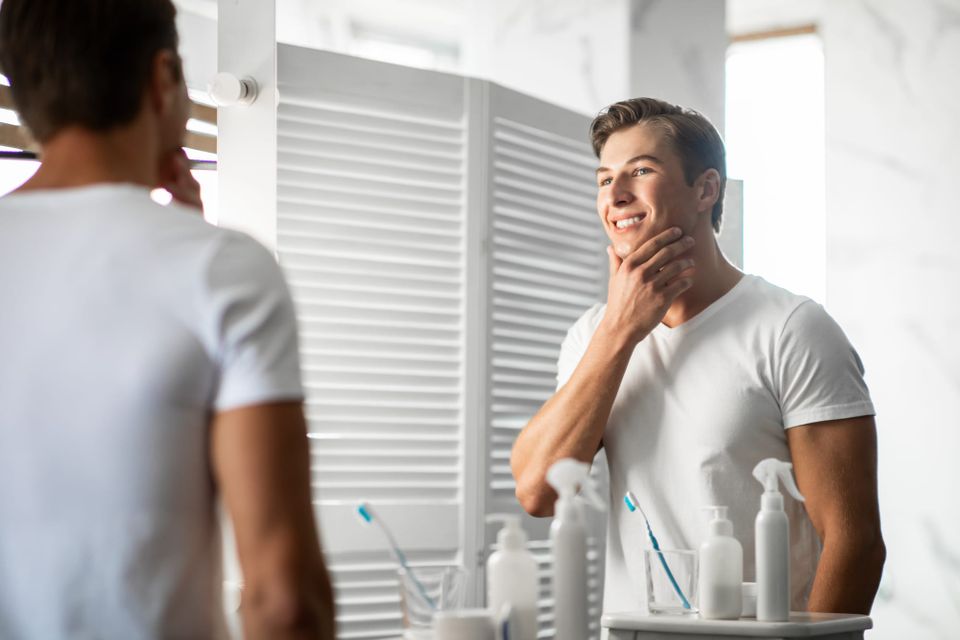
For most of my 20s, going to the dentist was something I did when something hurt. That was it. No pain, no appointment. I'd brush twice a day - sometimes - and figured that was good enough. Honestly, I treated my teeth the same way I treated my sleep and my stress levels back then: something to deal with later, when it became a real problem.
Then I hit my 30s, and 'later' started showing up faster than I expected.
The Wake-Up Call I Didn't See Coming
It wasn't dramatic. No emergency room visit, no tooth falling out at dinner. It was just a routine checkup - the first one I'd had in almost three years - where my dentist sat me down and walked me through a list of things quietly going wrong in my mouth.
Early gum recession. Two small cavities. Some enamel wear from grinding at night. None of it was catastrophic, but all of it was completely preventable if I'd been paying attention.
Here's the truth: that appointment stung more than any filling ever could. Because I realized I'd been neglecting something that was directly connected to my overall health - and I'd been doing it casually, without even thinking about it.
Why Men Tend to Skip Dental Care (And Why That's a Problem)
I'm not going to pretend I'm some unique case here. A lot of guys treat dental care like an optional extra. We'll spend time researching the best protein powder or optimizing our sleep schedule, but somehow a twice-yearly dentist appointment feels like overkill.
Part of it is the 'if it ain't broke' mindset. Part of it is just that dental visits feel uncomfortable and expensive. But here's what I didn't fully understand until my 30s:
- Gum disease is linked to heart health. Chronic inflammation in your mouth doesn't stay in your mouth. Research consistently connects poor oral health to cardiovascular risk - something men in their 30s and 40s genuinely need to think about.
- Tooth decay is silent until it isn't. Cavities don't hurt until they're deep. By the time you feel something, you're already looking at more invasive - and more expensive - treatment.
- Grinding is more common than you think. Stress-related teeth grinding (bruxism) quietly wears down enamel over years. You often don't even know you're doing it until the damage shows up on an X-ray.
- Your 30s are when small problems become bigger ones. The habits you build now - good or bad - compound over the next few decades. Prevention at 33 is a lot cheaper than restoration at 53.
- Oral health affects confidence. This one's simple. How your teeth look and feel affects how you show up - in conversations, at work, in relationships. It's not vanity. It's self-respect.
What I Actually Changed
I didn't overhaul my entire life overnight. That's never how sustainable habits work, and I've learned that lesson the hard way in other areas of my health journey too.
But I did make a few consistent shifts that have genuinely made a difference.
First, I booked regular checkups and actually kept them. Every six months, no exceptions. I put them in my calendar the same way I schedule workouts. Non-negotiable.
Second, I upgraded my brushing routine. I switched to an electric toothbrush, started brushing for a full two minutes (turns out I was doing about 45 seconds before), and added flossing as a nightly habit instead of a 'when I remember' thing.
Third, I got a night guard for grinding. My dentist fitted me for one after that first honest checkup. It felt weird for about a week. Now I don't even notice it, and my jaw tension in the mornings has dropped noticeably.
Fourth, I started thinking about what I drink. I was going through a lot of black coffee and sparkling water - both acidic, both rough on enamel over time. I didn't quit either, but I started rinsing with plain water after and stopped sipping coffee slowly over two hours like I used to.
Dental Health Is Part of the Bigger Picture
Here's what clicked for me once I started taking this seriously: dental health isn't a separate category from the rest of your wellness. It's woven into it.
The same inflammation that shows up in your gums can show up elsewhere. The same stress that's wrecking your sleep is probably clenching your jaw at 2 a.m. The same neglect that leads to skipping workouts leads to skipping dental appointments.
When I started treating my mouth like the rest of my body - something worth maintaining, not just repairing - everything felt more connected. More intentional.
And practically speaking? The cost of prevention is nothing compared to the cost of treatment. Two cleanings a year and a decent electric toothbrush are a fraction of what a root canal or crown costs. That math is pretty straightforward once you look at it.
If you're in your 30s and you've been putting off that dentist appointment, I get it. I was you. But this is one of those areas where the earlier you start paying attention, the more you'll thank yourself down the road. Your future self - with a full set of healthy teeth and a lighter dental bill - will absolutely appreciate it.
Don't miss out on future updates!
Join our newsletter to get the latest insights delivered straight to your inbox.