What I Learned From Taking a Full Rest Day Seriously
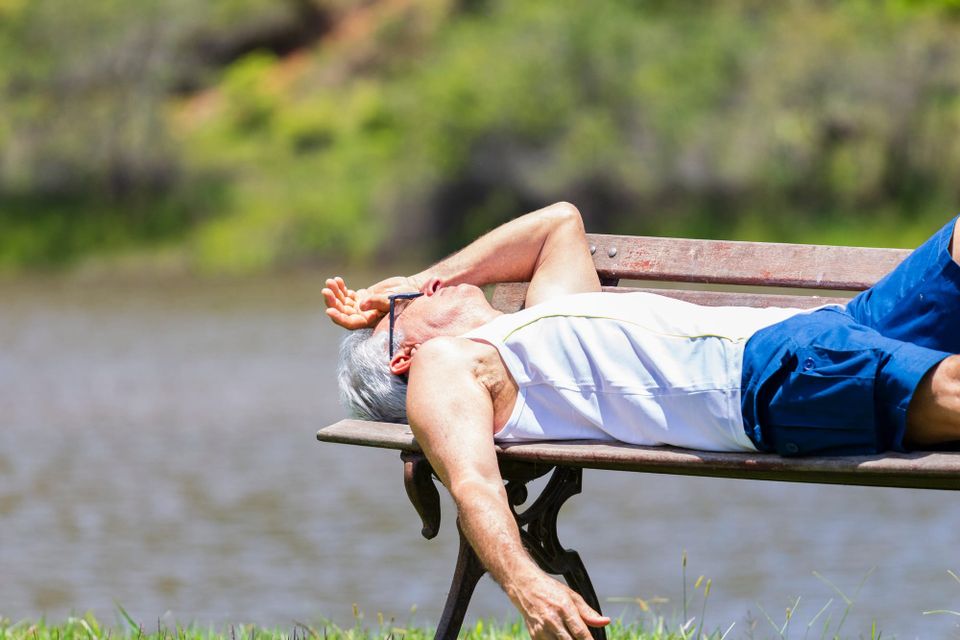
For a long time, I thought rest days were for people who weren’t working hard enough.
If I wasn’t training, I felt like I should be.
If I wasn’t being productive, I felt guilty.
And if I took a full day to slow down, part of me worried I was losing momentum.
Looking back, I realize how backwards that mindset was.
Because one of the most important lessons I've learned in my 30s is this:
Rest isn't the opposite of progress. It's part of it.
And it took me far longer than it should have to understand that.
My Old Relationship With Rest
I used to see rest as something you earned.
After a productive week.
After a hard workout.
After everything on the to-do list was finished.
The problem?
Everything was never finished.
There was always:
- another task
- another email
- another workout
- another responsibility
So rest kept getting delayed.
And eventually, my body started paying the price.
I Mistook Exhaustion for Discipline
This is something I think a lot of men do.
We admire people who:
- work nonstop
- push through fatigue
- never slow down
So when we're tired, we often see it as a challenge to overcome rather than a signal to pay attention to.
I definitely did.
I wore busyness like a badge of honor.
But over time, I noticed something:
The harder I pushed, the worse I felt.
Not immediately.
Gradually.
The Signs I Needed More Recovery
Looking back, the signs were obvious.
I was:
- constantly tired
- less motivated to train
- slower to recover
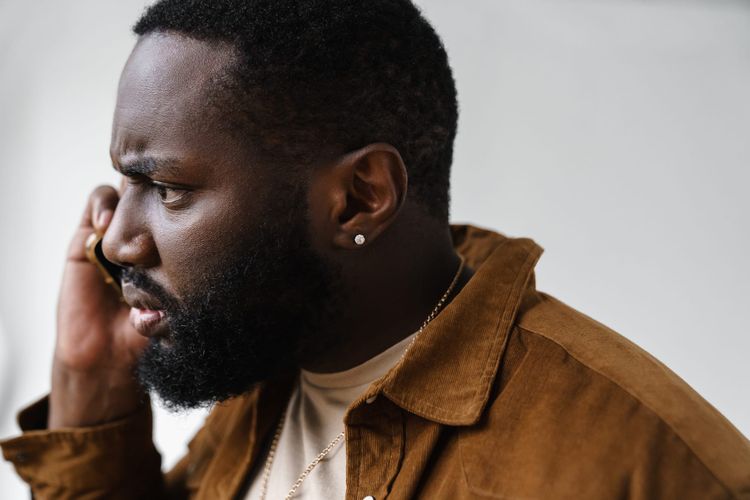
- more irritable
- mentally foggy
My workouts started feeling harder.
My sleep quality declined.
And even things I enjoyed felt like effort.
At first, I thought I needed more discipline.
What I actually needed was recovery.
The Rest Day That Changed My Perspective
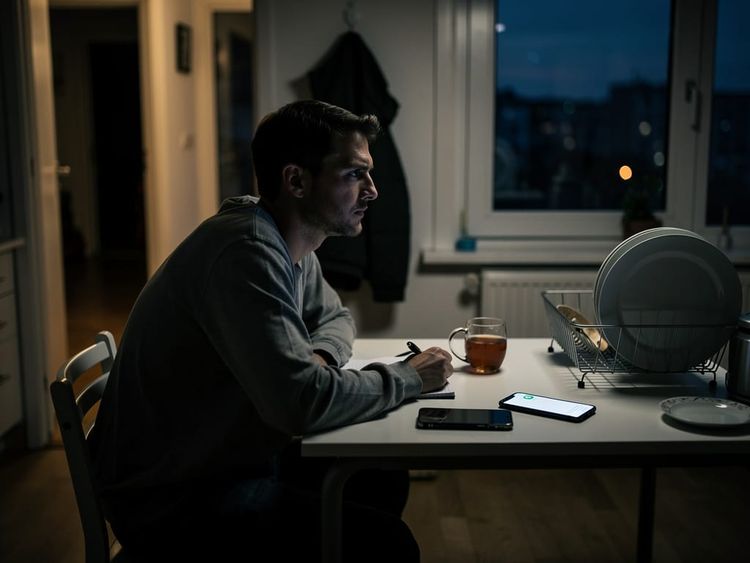
I remember one weekend where I felt completely drained.
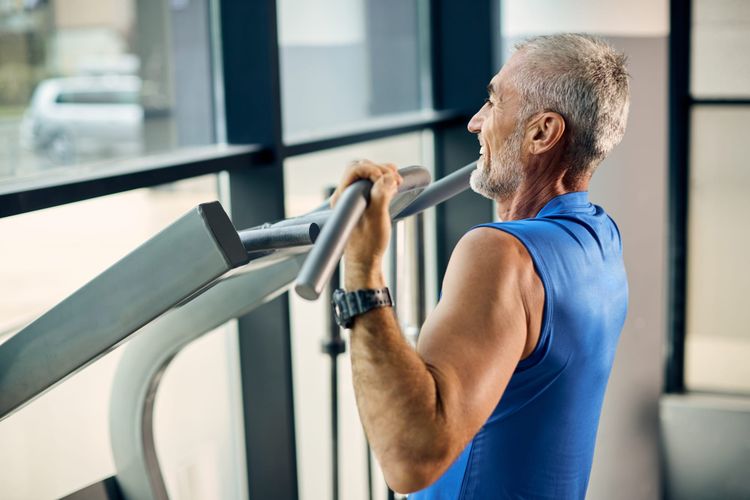
Normally, I would have forced myself through another workout anyway.
But this time, I didn't.
I took an actual rest day.
Not an active recovery day.
Not a "rest while checking emails" day.
A real rest day.
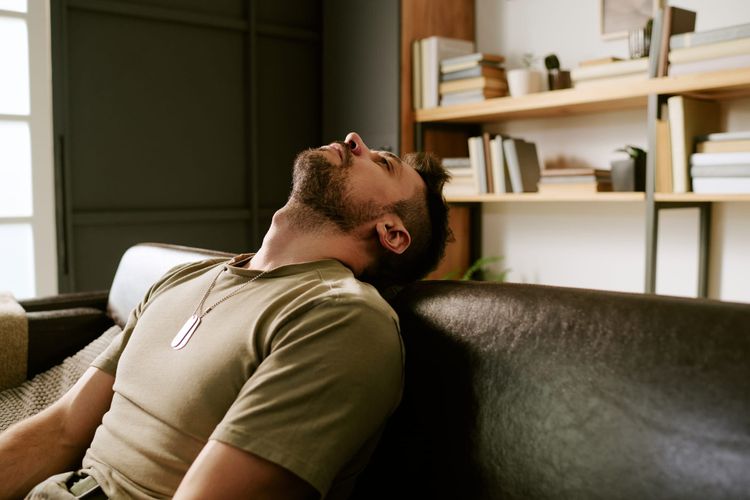
I slept in.
Went for a relaxed walk.
Read a book.
Stayed off my laptop for a while.
Did absolutely nothing productive.
And something unexpected happened.
The next day, I felt better.
Not lazy.
Not behind.
Better.
Recovery Isn't Just Physical
Before that, I thought recovery was mainly about muscles.
Now I understand it's much bigger than that.
Recovery affects:
- your nervous system
- your mood
- your focus
- your motivation
- your ability to handle stress
You can be physically rested but mentally exhausted.
And sometimes what your body needs isn't another workout.
It's a break.
Why Rest Feels Uncomfortable
One thing I learned is that many of us struggle with rest because we're uncomfortable being still.
When everything gets quiet, we start noticing:
- stress
- fatigue
- emotions we've been ignoring
Staying busy can be a distraction.
Rest removes that distraction.
That's why slowing down often feels harder than staying busy.
At least at first.
What a Real Rest Day Looks Like for Me Now
These days, a rest day doesn't mean lying on the couch all day.
But it does mean lowering the pressure.
Usually that includes:
- sleeping a little longer
- walking outdoors
- stretching if it feels good
- spending less time on screens
- avoiding unnecessary obligations
Most importantly:
I don't try to "make up" for resting.
That mindset defeats the whole purpose.
The Benefits I Didn't Expect
Once I started respecting recovery, I noticed improvements everywhere.
My workouts improved because I was actually recovered.
My energy became more stable.
My mood improved.
My focus improved.
Even my motivation came back.
It's funny.
The thing I feared would slow my progress actually helped accelerate it.
Patience Is Part of Health
One of the hardest lessons for me was learning patience.
We live in a culture that constantly encourages more:
- more productivity
- more effort
- more optimization
But health isn't built through endless pushing.
Sometimes growth happens during recovery.
Sometimes the best thing you can do is allow your body and mind the time they need to catch up.
What I'd Tell My Younger Self
If I could go back and talk to myself a few years ago, I'd say this:
You don't have to earn every moment of rest.
Taking care of yourself isn't weakness.
Recovery isn't laziness.
And slowing down occasionally won't make you fall behind.
In fact, it might be exactly what keeps you moving forward.
Final Thoughts
Today, I see rest very differently than I used to.
I no longer view it as time lost.
I view it as an investment.
Because strength isn't just about how hard you can push.
It's also about knowing when to recover.
The strongest people I know aren't the ones who never stop.
They're the ones who understand that recovery, patience, and balance are part of long-term success.
And honestly, that's a lesson I'm still learning.
Rest isn't something that interrupts progress. It's one of the things that makes progress possible in the first place.
Don't miss out on future updates!
Join our newsletter to get the latest insights delivered straight to your inbox.