Why I Started Walking More - And Why It Changed More Than My Fitness
A few years ago, if you asked me what “real exercise” looked like, I probably would’ve said:
- heavy workouts
- intense training
- sweating for an hour straight
Walking?
I barely considered it exercise at all.
It felt too simple. Too easy. Almost pointless compared to more intense workouts.
But ironically, one of the healthiest habits I’ve built in my 30s has been the simplest one:
walking more.
And the surprising part is - it changed much more than just my fitness.
It Started During a Stressful Period
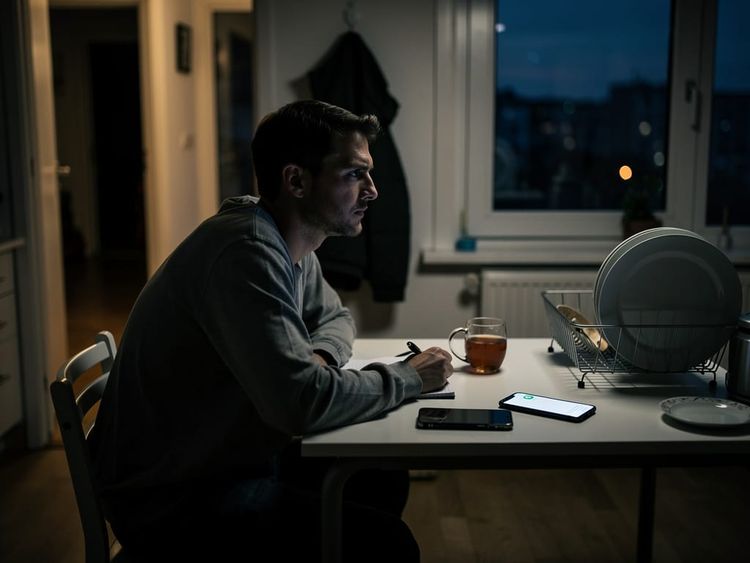
At the time, life felt mentally heavy.
Too much work.
Too much screen time.
Too much sitting.
Too much constant thinking.
I was training occasionally, but outside of workouts, I barely moved.
And I noticed something:
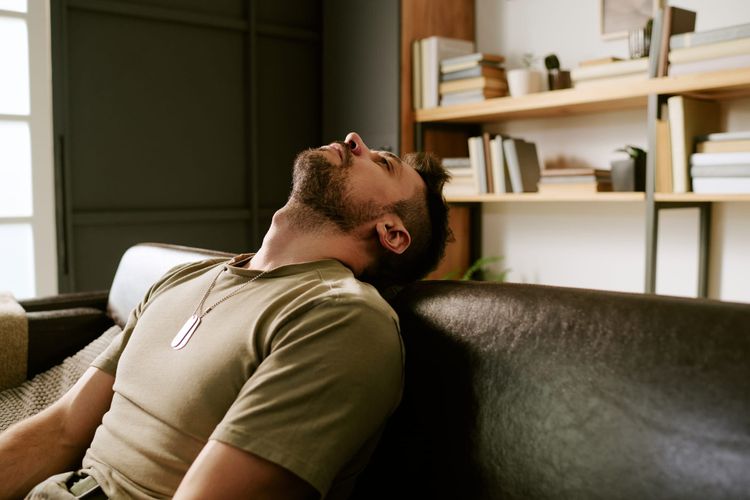
even when I rested, I still felt tense.
My body wasn’t recovering because my mind never slowed down.
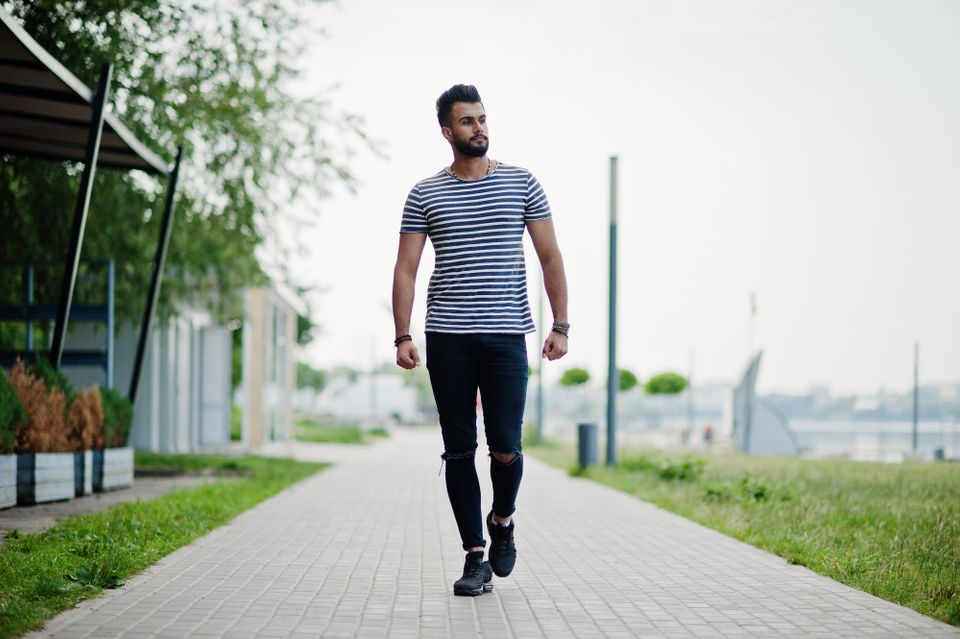
One day, after a long stressful afternoon, I went for a walk just to clear my head.
No podcast. No phone calls. No goal.
Just walking.
And for the first time in a while, I felt calmer afterward.
That’s when the habit started.
Walking Became My Reset Button
At first, I didn’t do it for fitness.
I did it because it helped me mentally.
Walking gave me:
- space to think
- space to breathe
- space away from constant stimulation
And honestly, that became addictive in the best possible way.
Now it’s one of the few parts of my day where my brain actually slows down.
The Mental Clarity Was Immediate
This was the biggest surprise.
Whenever I felt:
- mentally stuck
- stressed
- overwhelmed
- unfocused
…walking helped.
Not because it magically solved problems.
But because movement changes your state.
Some of my clearest thoughts happen during walks.
Not staring at a screen.
Not forcing productivity.
Just moving.
I Realized How Sedentary Modern Life Really Is
This hit me hard in my 30s.
Even when you work out a few times a week, you can still spend most of your life sitting:
- desk work
- driving
- scrolling
- watching screens
And your body feels it.
I noticed:
- stiffness
- low energy
- tighter hips and back
- sluggish digestion
- mental fatigue
Walking helped counterbalance all of that.
Not perfectly - but consistently.
The Digestion Benefit Nobody Talks About Enough
This one genuinely surprised me.
Once I started taking short walks after meals, I noticed:
- less bloating
- better digestion
- more stable energy afterward
Nothing extreme - just noticeable improvement.
And honestly, it makes sense.
Our bodies are built to move.
Even gentle movement after eating helps more than most people realize.
Walking Reduced My Stress More Than I Expected
There’s something about walking that feels different from intense exercise.
Hard training is great. I still do it.
But walking feels restorative.
It doesn’t drain me.
It helps regulate me.
Especially when:
- I’m mentally overloaded
- stressed
- emotionally tense
- or stuck in my own head
A walk helps reset my nervous system in a way screens never can.
It Helped Me Build Consistency
One thing I love about walking:
it’s hard to fail at.
You don’t need:
- perfect energy
- motivation
- gym access
- ideal conditions
You just go.
That simplicity made movement easier to maintain during busy periods of life.
Even on days where:
- workouts don’t happen
- motivation is low
- stress is high
…I can still walk.
And that keeps me connected to taking care of myself.
The Physical Benefits Added Up Quietly
Over time, I noticed:
- better endurance
- easier recovery from workouts
- less stiffness
- more daily energy
- improved mood
Not through extreme effort.
Through repetition.
That’s the part people underestimate.
Walking Became Time Away From Noise
One thing I started doing intentionally:
walking without constant input.
No scrolling.
No endless stimulation.
Just quiet.
At first, it felt strange.
Now it feels necessary.
Because modern life keeps most of us mentally overloaded all day long.
Walking became one of the few places where my brain could breathe a little.
What I Learned From This Habit
I used to think health improvements had to be complicated.
Now I know:
simple habits repeated consistently often matter the most.
Walking isn’t flashy.
Nobody posts a dramatic transformation from taking regular walks.
But long-term?
It changes a lot:
- stress levels
- recovery
- energy
- mental clarity
- overall well-being
And honestly, those things matter more than most people realize.
Final Thoughts
If you had told me years ago that walking would become one of the healthiest parts of my routine, I probably wouldn’t have believed you.
But now?
It’s one of the habits that keeps me balanced - physically and mentally.
Not because it’s intense.
Because it’s sustainable.
And sometimes, the habits that change your life the most are the ones simple enough to keep doing.
Walking didn’t just improve my fitness. It helped me slow down, clear my head, manage stress, and reconnect with myself in a world that constantly wants us overstimulated and exhausted.
Don't miss out on future updates!
Join our newsletter to get the latest insights delivered straight to your inbox.